(SeaPRwire) – By: Robert Kensington
Let’s cut the bullshit. This isn’t about a warehouse fire. This is about a new kind of war. Ukraine is not just fighting on the front line. They are fighting inside the Russian supply chain. They are burning the money that funds the war. And they just hit the crown jewel of Putin’s consumer economy.
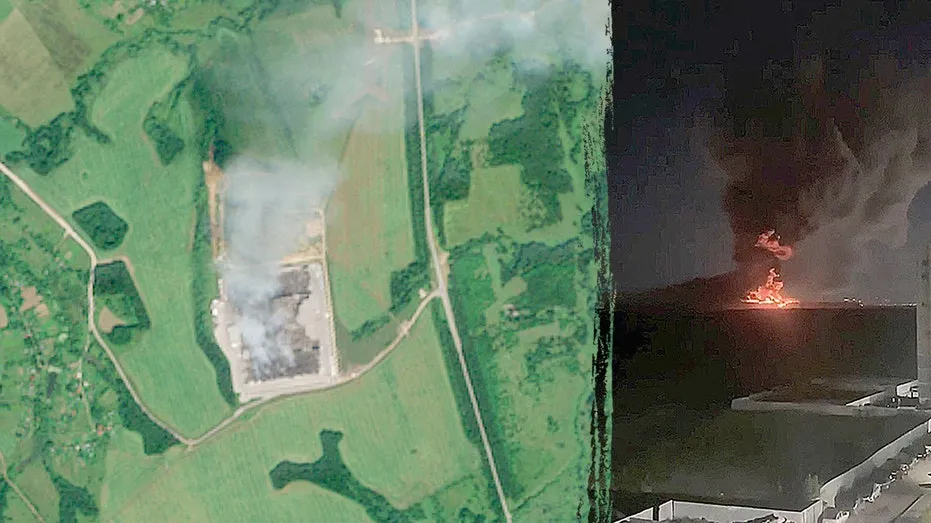
Wildberries is the Amazon of Russia. It’s the biggest e-commerce platform. The CEO, Tatyana Kim, is the richest woman in the country. Forbes pegged her at $7 billion. But last week, a drone didn’t hit a military base. It hit an oil complex in Bashkortostan. A fire spread to a Wildberries facility. This wasn’t a mistake. It was a pattern.
The press release says the company is a “civilian” target. Kim called it a “terrorist attack.” Let’s look at the facts. On July 18, drones hit Kotovsk and Elektrostal. Seven people died. Over 60 were wounded. Four days later, Krasnodar and Nevinnomyssk were hit. Fifteen injured. Total losses? Ukrainian media says 600 to 800 billion rubles. That’s $6 to $8.5 billion. That’s not a fire. That’s a financial decapitation strike.
But here is the real subtext. The official story says Wildberries is just a retailer. The industry truth is that Kyiv sees it as a logistics artery for the war economy. Kateryna Bondar from CSIS put it bluntly. She called it “kinetic sanctions enforcement.” Wildberries warehouses are distribution nodes. They move body armor, helmets, fiber optic cables for FPV drones. They are channels for sanctions circumvention. When you hit a warehouse, you aren’t just burning clothes. You are stopping the flow of dual-use goods to the front line.
The Kremlin is silent. That is the loudest part of this story. Kim is a Putin-linked billionaire. She is part of the clan system. But the Kremlin isn’t sending her air defense. They aren’t compensating her. She is negotiating tax deferrals. Bondar nailed it. “It sends the message that proximity to power does not guarantee protection.” Private businesses are expected to absorb the costs of war. That is a massive shift.
Now, think about the insurance angle. Only 5% to 7% of the sellers on the platform are insured. That means the damage cascades. It hits tens of thousands of small businesses. Chinese sellers, Kazakh sellers, all of them. They are taking losses. Bondar says 27% of Wildberries warehouse capacity is out of operation. That is a logistics nightmare.
The psychological impact is just as important. People are filming the strikes. They are sharing footage. They see the drones fly over. They see the Russian air defense fail. The company’s response? Ban smartphones. They say it’s for security. The real reason is information control. They don’t want the public to see the war coming home. They also locked phones away during the attack. That meant workers couldn’t call for help. That’s not a safety measure. That’s a cover-up.
This is the new reality. The Russian business elite can no longer hide. You can’t buy a drone-proof warehouse. You can’t insure against a war. You can’t rely on the Kremlin to protect your assets. Ukraine is rewriting the rules. They are hitting the money. And the money is bleeding.
The final take is brutal. Wildberries is a giant. It serves 10 countries. But its supply chain is now a military target. Sellers will reprice risk. They will demand prepayment. They will shorten inventory cycles. They will diversify away from the platform. The cost of doing business in Russia just went up. Way up. And the biggest winner here? The global logistics firms that don’t touch Russia.
Author bio: Robert Kensington, an overseas entrepreneurial veteran with decades of experience in real-economy industrial investment and expansion.