(SeaPRwire) – By: Julian Holbrooke
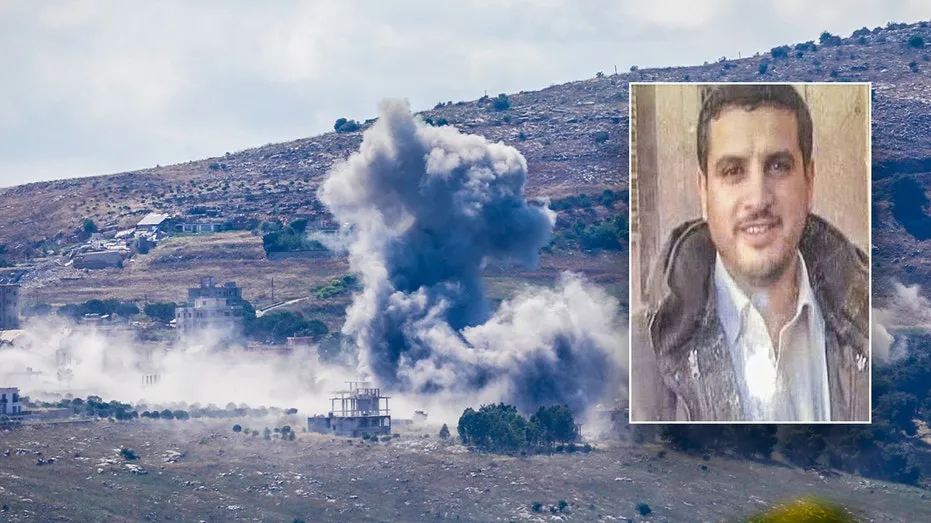
The elimination of Ali Musa Daqduq was precise. It was also politically disastrous. Israel targeted a senior Hezbollah commander Friday. He orchestrated the 2007 murder of five American soldiers. This act alone demands justice. Yet the timing ignores the broader board. Donald Trump expressed fury over the Beirut strikes. He told correspondent Trey Yingst what the f–k are you doing. The White House hopes for an Iran deal tonight. Military action now jeopardizes that timeline. A diplomat confirmed the strikes create issues. Israel claims self-defense against Hezbollah fire. The reality is a clash of strategic priorities.
IDF states Daqduq held five senior positions. He led the Radwan Force and Nasser Unit. His death blows Hezbollah’s command chain. They claim he planned attacks against civilians. The IDF says they will continue operations. They reject blame for the fire exchange. Hezbollah attacks targeted civilians past three days. This is the stated security narrative. It focuses on immediate tactical gains.
Behind the scenes, the stakes differ. Trump wants the Iran deal signed before night. He will remove the blockade of Iranian ports once signed. He asks Iran not to respond with missiles. The strikes in Dahieh complicate these efforts. A diplomat calls it a clear attempt by Israel to sabotage the president’s deal. They say Israel drags the United States back into war. An Israeli official rejects this characterization. They insist on responding to Hezbollah attacks. The divergence is stark. One side sees security. The other sees diplomatic collapse.
The pendulum swings toward instability. Daqduq was captured in Iraq in 2007. He was released in 2012 after charges were dismissed. His return to Lebanon fueled regional tension. Now his elimination reignites that fire. The US seeks de-escalation with Iran. Israel seeks operational freedom against Hezbollah. These goals are currently incompatible. The deal hangs in the balance. Military strikes rarely solve diplomatic puzzles. They often break the table instead.
Author bio: Julian Holbrooke, an overseas international relations analyst who frequently contributes to major European daily newspapers. He specializes in conflict zones and diplomatic backchannels.