(SeaPRwire) – By: Marcus Sinclair
There is a threshold where border management stops being about logistics and becomes about leverage. Ceuta crossed it on July 30. What followed was not merely a surge of desperation. It was a geopolitical signal dressed in humanitarian terms. Spain and Morocco now know it.
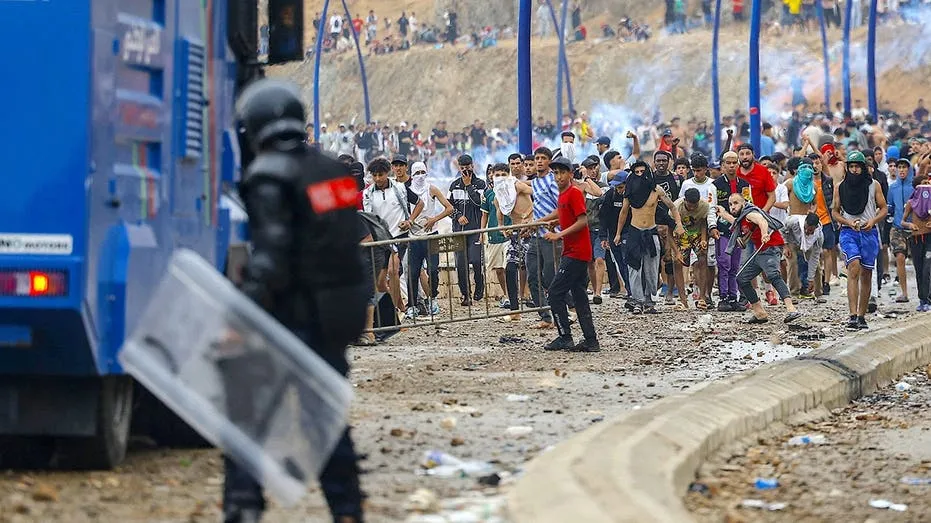
The numbers are impossible to ignore. More than 72,000 people flooded into the enclave that day. At least 96 died in the process. Spain has confirmed roughly 5,000 remain. About 500 asylum cases have been processed. The vast majority were rejected, according to Reuters. Floating barriers now sit in the waters where migrants once swam across. Soldiers patrol commercial and government buildings. Black-clad security personnel walk the beaches of Fnideq, the launch point used in the original rush. Social media had called for a second attempt on Saturday, targeting both Ceuta and Melilla. Morocco’s Ministry of the Interior detected the incitement and arrested several people who circulated the messages, spokesperson Rachid El Khalfi confirmed. The ministry then called on Spain to expedite the return of remaining migrants.
What is happening here is far more than a border dispute. It is a test of how far either side will go before the other blinks. Spain is trapped between domestic political pressure and international law. Rejection rates for asylum seekers are high. Screening continues. But the 5,000 still inside the enclave represent a living political problem. Morocco is wielding migration as a negotiated instrument. The arrests of those calling for a second rush were not just about public order. They were about controlling the narrative before Madrid could accuse Rabat of deliberate orchestration. The Moroccan interior ministry’s statement to MAP was calibrated carefully. It criminalized incitement while simultaneously pressuring Spain to speed up returns.
The deeper question is whether this will stabilize or calcify. Floating barriers do not solve political grievances. They only change the cost structure of the next crossing attempt. For Spain, the real damage is not the 5,000 people remaining. It is the precedent being set. Migration can be mobilized, directed, and timed as diplomatic pressure. Morocco has now demonstrated that repeatedly. The European Union watches closely. Its external border policy will face harder questions next time. Spain cannot absorb another July 30 without triggering serious political consequences at home. The rejection pipeline is already strained. Processing speed matters less than political survival.
The end-game here is not closure. It is a new equilibrium built on managed mobility and calibrated restraint. Both sides know this. Neither side wants to admit it publicly.
Author bio: Marcus Sinclair, Senior Fellow at a prominent European geopolitical and security think tank, specializing in Mediterranean migration dynamics and Southern European border policy.