(SeaPRwire) – By: Marcus Sinclair
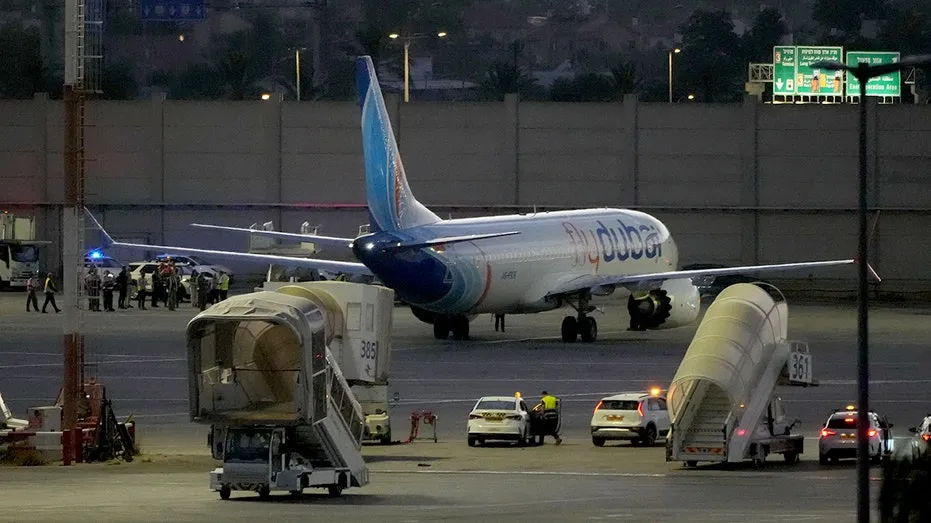
The assumption that technical locks guarantee physical safety has just been punctured by a human element. The FlyDubai incident in Tel Aviv serves as a brutal reminder. The cockpit crash axe was not a weapon in this scenario. It was the tool of control. The co-pilot seized it. The captain, Smit Machchhar, was incapacitated. The plane plummeted. Passengers did the unthinkable. They fought the yoke back. This is not a story of aviation failure. It is a failure of pre-screening protocols.
Let us look at the raw facts. The attacker is Hamam al-Hammami, a 29-year-old Omani national. He is not a mystery figure. Records show Oman Air barred him from flying in 2024. The reason? Concerns over extremist views. This is a red flag written in ink. Yet, FlyDubai hired him. The carrier did not check with Oman Air. There is no record of a shared database for disqualifications. He moved to Dubai later that year. He lived with his mother, who is Syrian. He spent significant time outside Oman. The UAE is leading the investigation. They are determining if he acted alone or as part of a network. The silence on vetting is deafening.
We must dissect the intent versus the outcome. Israel’s PM Benjamin Netanyahu labeled it terrorism. He cited Islamic radicalization. He said the attacker wanted to crash the plane into passengers. This framing ignores the procedural gap. The gap is not in the cockpit. It is in the back office. Aviation security relies on compartmentalized national data. An airline hiring a pilot flagged by their home country is a breach of that trust. The “lone wolf” narrative is a cop-out. It excuses the lack of cross-border intelligence sharing. The endgame for the industry is not just tighter cockpit doors. It is a unified global registry of disqualifications. No airline can hire a risk without a digital handshake with the pilot’s former employer.
The geopolitical pendulum is shifting toward security over convenience. Airlines compete on speed and comfort. This incident forces a recalibration. The cost of a single flight is high. The cost of a crash is infinite. We are not just discussing terrorism. We are discussing liability. If a pilot is barred for ideological reasons, that data must travel. The current system treats borders as walls. Aviation treats them as bridges. This mismatch creates the vacuum that al-Hammami exploited. The lesson is stark. Until a digital security passport is mandatory, the axe is always within reach.
Author bio: Marcus Sinclair, a Senior Fellow at a prominent European geopolitical and security think tank, specializes in cross-border risk analysis and institutional failure points in global infrastructure.