(SeaPRwire) – By: Marcus Sinclair
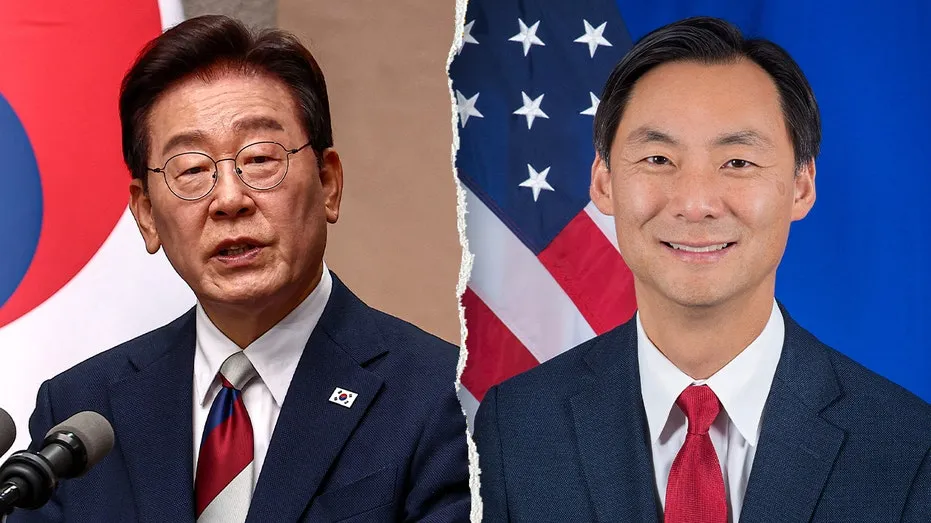
The sight of a former U.S. diplomat handcuffed in Seoul has done more to erode soft power than a thousand think-tank papers. Morse Tan, a former ambassador and law school dean, now faces prison for speaking on American soil. This is not a bureaucratic glitch. It is a deliberate signal. A state that cannot tolerate the past being discussed in public squares abroad has no interest in dialogue. It wants silence. The case against Tan strips the illusion of a democratic alliance. It replaces it with a cold, hard warning. If you criticize the South Korean leadership while on U.S. ground, we will find a way to punish you.
The facts are laid out in the Seoul Central District Court filings. Tan spoke at the National Press Club in June 2025. The topic was alleged election fraud in the June 3 South Korean presidential election. Responding to a question, he cited old rumors about President Lee Jae Myung’s alleged juvenile involvement in a crime. Prosecutors in South Korea say these claims are unsubstantiated. KBS World reported that authorities found no record of Lee’s incarceration in a juvenile detention center. Tan’s attorney argues the statements were not false at the time. They say Tan did not know they were false. The second charge arises from a talk given in South Korea in July 2025. Tan raised questions about the president. The state calls this defamation. Tan calls it political lawfare.
We must look past the legal technicalities to see the geopolitical power play. The restriction on Tan’s departure is not just a travel ban. It is a hostage situation. The U.S. State Department declined to comment on specifics. They cited privacy concerns. This silence is deafening. It suggests Washington is unwilling to defend one of its own against foreign judicial overreach. Tan is stranded. He was barred from attending his grandmother’s funeral. Authorities allowed other prisoners to attend family funerals. This disparity reveals the true motive. It is not about truth. It is about control. By criminalizing speech made on foreign soil, Seoul extends its sovereign reach. It turns international travel into a risk of incarceration for the wrong opinion.
The end-game is clear. This case sets a precedent for extraterritorial censorship. Any diplomat, journalist, or academic who questions the narrative of a foreign power risks arrest. The cost of free speech in global politics is rising. We see a shift from diplomatic engagement to judicial coercion. The pendulum swings toward isolationism. States that cannot debate their past in public will find their allies withdrawing into siloed security postures. The era of open dialogue in East Asian policy is closing. What remains is a landscape where silence is the only safe currency.
Author bio: Marcus Sinclair, a Senior Fellow at a prominent European geopolitical and security think tank, specializing in international law, diplomatic immunity, and the intersection of free speech with state power in the Indo-Pacific region.