(SeaPRwire) – By: Adrian Kingsley
Perimeter alarms mean nothing when physical barriers fail within seconds. Municipal security protocols across France continue to rely on reactive deterrence. That strategy collapsed completely in Cagnes-sur-Mer at dawn. Wire fences offer zero resistance against direct physical breaching. Dispatching police after sensors trigger cannot compensate for structural vulnerabilities. High-value historical estates remain soft targets for organized criminals. State administration treats cultural heritage as static inventory rather than active security liabilities. When response times lag behind physical extraction speeds, the system breaks. Five minutes of transit time is an eternity during a breach. The institutional reluctance to harden estate perimeters creates predictable operational failures.
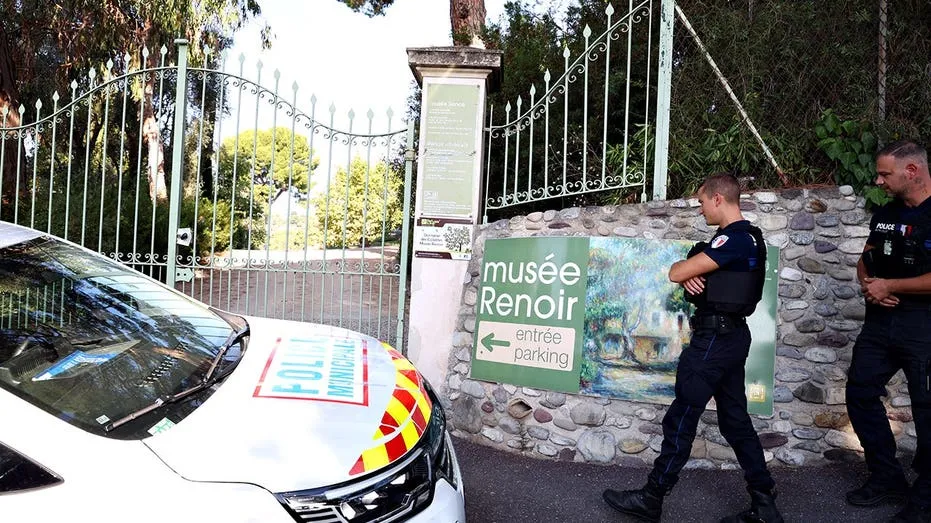
Official accounts paint a clear operational sequence. Two intruders severed a garden fence at the Renoir Museum shortly before 6 a.m. on Tuesday. Electronic tripwires registered the intrusion at 5:48 a.m. Regional police units arrived on site within five minutes. Officers pursued the fleeing suspects directly across the grounds. Under immediate pursuit, the perpetrators dropped two framed canvases in the estate garden. They successfully escaped into the surrounding area carrying the remaining two paintings. Surveillance cameras recorded two figures entering the facility. Mayor Bryan Masson publicly framed the incident as an assault on municipal identity. He issued an immediate call for tightened security protocols across French cultural institutions. The museum remained closed throughout Tuesday under active forensic investigation.
Administrative rhetoric obscures deeper operational realities. Local press valuations via Nice-Matin placed the targeted works at approximately $10.5 million. The four targeted items included “Portrait of Madame Colonna Romano”, “Coco Lisant”, and “Young Girl at the Well”. Regional police officials confirmed the ongoing manhunt while leaving the specific abandoned titles unspecified. The facility preserves Pierre-Auguste Renoir’s final residence, where the master died in 1919. Operating since 1960, the estate holds 13 Renoir canvases, 40 sculptures, furniture, and historical archives. This breach follows the October theft of crown jewels from the Louvre valued at $102 million. That previous Paris heist included a historic tiara worn by Empress Eugénie. Europol data reveals art robberies are pivoting toward opportunistic actors recruited directly via social media. Cheap labor networks now execute high-risk physical extractions with crude efficiency.
Centralized cultural ministries must abandon passive surveillance doctrines. Municipalities cannot protect masterworks with garden fences and remote patrol dispatches. Physical barriers must actively delay intruders until security teams arrive. Regional facilities holding multi-million-dollar assets require physical hardening identical to national vaults. Without mandatory perimeter standards and dedicated physical barriers, regional collections will face continuous extraction.
Author bio: Adrian Kingsley, an internationally renowned scholar who has long studied public administration and social policy, advising European municipal entities on public infrastructure and high-value cultural heritage asset protection frameworks.