(SeaPRwire) – By: Douglas Vance
The Strait of Hormuz is rapidly turning into a high-stakes laboratory for asymmetric naval friction. Commercial transit through this vital maritime choke point has already fallen below historic levels. The shipping industry operates under a cloud of constant anxiety. Now, a new layer of instability is unfolding. The Pentagon is relying heavily on unmanned surface and underwater vessels to maintain eyes on the region. But these robotic sentinels have become prime targets. Tehran is not just trying to disrupt shipping lanes. It is actively hunting American surveillance technology. This coordinated campaign aims to strip away the US Navy’s operational advantages. Every attempted seizure sends shockwaves through global logistics networks. The threat of sudden escalation hangs over every commercial vessel transiting these narrow waters. By targeting these uncrewed assets, Iran exploits a critical gray zone. They test American resolve without immediately triggering a shooting war. This calculated posturing threatens the very fabric of maritime security. It turns a vital trade corridor into a contested military testing ground. The risk of miscalculation grows daily. Shipping companies must price in the rising cost of geopolitical friction. Insurers are watching these developments with growing dread.
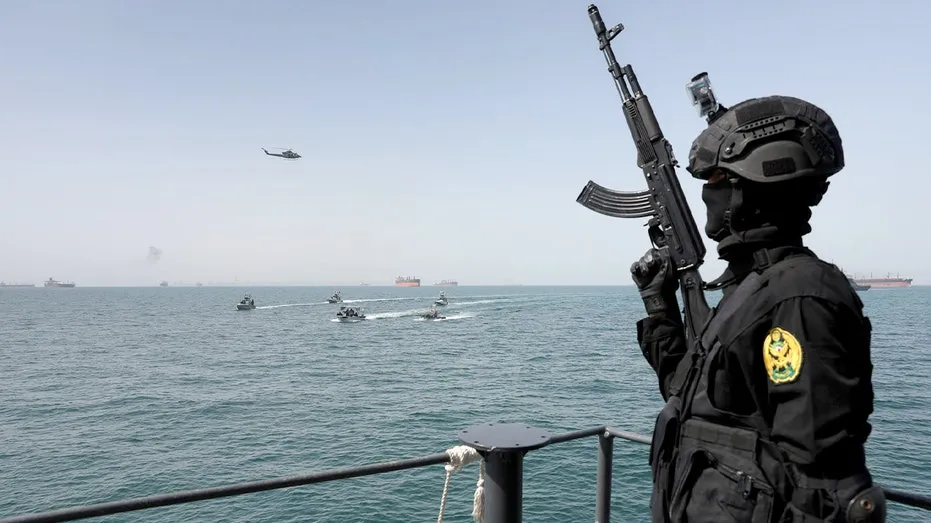
The physical reality of this confrontation plays out across highly contested maritime boundaries. On September 14, tensions spiked when the US military destroyed two Iranian small boats. This clash occurred during an attempted seizure by the Islamic Revolutionary Guard Corps. The IRGC targeted an American unmanned surface vessel patrolling the area. US Central Command spokesperson Captain Tim Hawkins confirmed the forceful response. The USV remained under American operational control. This was not an isolated incident. Just days earlier, on September 8, Iran successfully captured a Dive-LD autonomous underwater drone. This advanced vehicle was manufactured by defense contractor Anduril. While Anduril CEO Palmer Luckey noted the drone was built for dangerous environments, its loss is significant. Iranian state media tried to mask the September 14 clash as a strike on civilian fishing vessels. They claimed search-and-rescue operations were underway near Kargan and Larak Island. This propaganda attempts to obscure a highly coordinated intelligence gathering effort. Tehran has a long history of this behavior. In 2011, they seized an RQ-170 Sentinel stealth drone. They successfully reverse-engineered it to build domestic lookalikes. In 2022, a US Navy patrol ship and a Seahawk helicopter intercepted an Iranian vessel towing a Saildrone. These actions occur right on the edge of international shipping lanes and exclusive economic zones. Iran uses low-tonnage, highly agile small boats to swarm and intercept US assets. They exploit the physical limits of satellite surveillance in congested waters. Even brief access to these captured platforms provides invaluable data. Tehran’s reverse engineers can analyze sensitive onboard sensors. They study physical hardware to map US surveillance capabilities. This allows them to design effective countermeasures. Cameron Chell, CEO of Draganfly, warned that even brief glimpses of this hardware offer immediate tactical advantages. It reveals how the US conducts surveillance and how to counter those systems. The intelligence gathered paints a clear picture of American battle plans.
This relentless drone hunt pushes the region closer to a dangerous escalation threshold. The line between gray-zone harassment and open conflict is thinning. If Iran continues to capture these systems, their tactical advantage will grow. They will learn to evade American sensing equipment entirely. This knowledge will quickly flow to regional proxies. Groups in Yemen, Lebanon, and Iraq will receive upgraded offensive designs. The US Navy will be forced to adjust its operational overview. They must protect these high-value targets more aggressively. This means deploying more manned warships to escort unmanned fleets. Such a shift defeats the cost-saving purpose of autonomous systems. It also increases the footprint of active military assets in the Strait. A single miscalculated strike on an intercepting Iranian boat could ignite a wider regional war. The Pentagon cannot afford to lose its technological edge. Yet, they cannot easily secure every drone in open waters. Autonomy is indeed the new standard in warfare. But the vulnerability of these systems is a glaring weakness. Iran has found the soft underbelly of the American high-tech military machine. The outcome of this struggle will define the future of maritime deterrence. It will determine who truly controls the world’s most critical choke points. The US must heavily arm its robotic fleet. Otherwise, its secrets will continue to leak into enemy hands.
Author bio: Douglas Vance, a maritime defense scholar and naval intelligence briefing coordinator with over two decades of experience analyzing asymmetric naval warfare and Persian Gulf security dynamics.