(SeaPRwire) – By: Ethan Gallagher
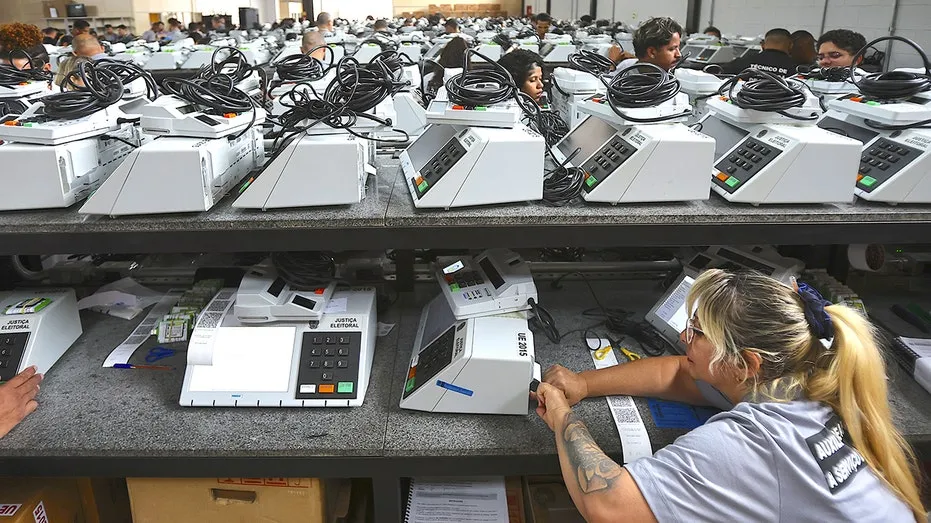
The United States braces for its midterm elections. Meanwhile, the geopolitical spotlight lands on a surprising hardware laboratory in South America. Brazil has just processed roughly 125 million voters on paperless electronic machines. The system delivered a definitive runoff result in under four hours. To a hardware architect, this is not a political curiosity. It is a masterclass in physical security and air-gapped system design. While political figures in Washington argue over ballot papers, the Brazilian Superior Electoral Court operates the largest digital voting system on the planet. This network involves 499,248 machines completely disconnected from the internet. The system has been widely praised. It was mentioned in President Donald Trump’s 2025 executive order on elections. He cited Brazil’s biometric voter identification as an example. Yet Brazil’s count runs partially on the kind of paperless machines that the president has vowed to scrap. The real issue is the physical and architectural integrity of the voting hardware itself. The United States has fragmented this infrastructure into thousands of local jurisdictions under fifty different sets of state rules.
Brazil’s voting system has run for over three decades. It merges federal, state, and municipal databases. Voter identity, eligibility, and the single ability to vote are verified biometrically. Nearly nine in ten voters unlock the machines with a fingerprint. The TSE states there has been no proven fraud since the 1996 debut. The software was open to inspection for eleven months. It was digitally signed and sealed in public. Last December, the government invited a record 149 outsiders to try to break the system. Evaluators concluded nothing they found could alter results. The industry subtext is a storm of political weaponization. Former President Jair Bolsonaro attacked the machine credibility without evidence. He is now serving a 27-year sentence for plotting to overturn his 2022 defeat. This year, a Bolsonaro appointee ran the TSE. Justice Kassio Nunes Marques oversaw the court. Meanwhile, Bolsonaro’s eldest son, Senator Flávio Bolsonaro, finished first with 47% to President Lula’s 45%. The machines at the center of the controversy may yet hand victory to his son. The air-gapped architecture remains untouched by these political storms.
On election day, randomly drawn machines are fed paper ballots. Auditors and foreign observers watch. They track results. At closing, every machine prints its tally. This tally is posted in front of the polling place with a QR code. Anyone can check it against the national count. Each file’s digital signature confirms the result. It confirms the result was produced by the registered machine. Political scientist Karina Stange Calandrin describes the system’s core architecture. It combines electronic voting, local storage of hashed votes, and automated tallying. She notes that corrupting it would require breaking the seal of each machine. It would require installing software that does not match the TSE’s version. This would automatically disqualify its tally. Florencia Ferrer, CEO of e-stategiapublica, calls it the most modern and secure system in the world. She points out the risks in other systems. India’s machines print a paper copy for the voter to take home. This weakens voter safety and augments coercion. Estonia’s internet voting carries its own risks. The Philippines uses electronically tallied paper ballots, which also carry risks. The industry subtext is the clash between paper-based verification and cryptographic verification. Critics like the Carter Center argue for a printed ballot deposited in a separate area. Germany’s top court ruled in 2009 that voters must check their ballots without expert help. This effectively barred a Brazilian-like system. Yet, an engineer from the University of São Paulo who audited the machines in 2014 found no traces of tampering. He found no wrong-doing or malicious intent. Brazil’s machine has traveled on loan to Latin America, Africa, and Asia. Paraguay adopted it permanently in 2006. Its machines now print each individual vote. In contrast, the United States runs elections in thousands of local jurisdictions. It operates under fifty sets of state rules. About 30% of 2024 ballots came by mail. This is slower to process. Brazil has one national election authority, compulsory voting, and no mail-in ballots. Brazilians will vote on Oct. 25. The winner is expected to be known and certified in under five hours.
The global supply chain for high-security voting hardware is highly consolidated. It is controlled by a few state-aligned entities. Brazil’s TSE designs and manufactures its own machines. It controls the entire hardware lifecycle. In contrast, the United States relies on a fragmented market of private vendors. These vendors are subject to intense political lobbying and local procurement laws. The future of election security depends on who controls the hardware supply chain. The US cannot expect secure elections if it outsources its voting hardware to a politically weaponized private market. If Washington wants to protect its elections, it must nationalize its voting hardware standards. It must build a centralized, air-gapped supply chain. The current fragmented vendor model is a national security vulnerability.
Author bio: Ethan Gallagher, a Silicon Valley Hardware Architect and Infrastructure Strategist who specializes in secure computing architectures and critical physical supply chain design.