(SeaPRwire) – By: Julian Holbrooke
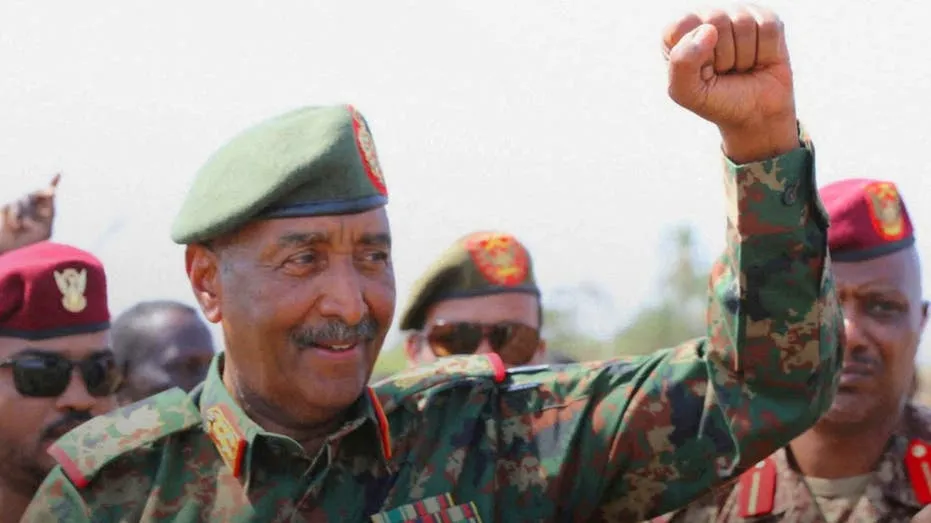
The United States denied Gen. Abdel Fattah al-Burhan a visa to attend the U.N. General Assembly. This was not a routine bureaucratic snag. It was a calculated geopolitical snub. Washington linked entry to signing a 90-day humanitarian truce. The move backfired. Burhan stayed home. He declared from Khartoum that Sudan needs no one’s permission. The U.S. position was rigid. It demanded a ceasefire before dialogue. Sudan argued it had only submitted technical comments. The visa denial became a symbol of diplomatic failure. It signaled that power politics had overridden humanitarian goals. The rift exposed the fragility of Western leverage in the region.
The official narrative focuses on compliance. The State Department accused both the Sudanese Armed Forces (SAF) and the Rapid Support Forces (RSF) of failing to commit to a truce. Spokesman Tommy Pigott stated on Sept. 22 that neither side represents legitimate constitutional governance. They called both leaders ineligible to govern. The department cited intensified combat and drone strikes killing civilians. Washington pushed for an unconditional humanitarian truce. It sought to link aid access to a permanent ceasefire. The goal was a civilian transition. Sudan’s advisor Dr. Amjad Farid Al-Tayyib disputed this account. He said Sudan never rejected the proposal. He accused Washington of undermining the diplomatic process by blocking their delegation. The U.N. also raised concerns about the visa denial directly with U.S. authorities.
Behind the statements, the real struggle is for regional influence. The Quad, involving Egypt, Saudi Arabia, and the UAE, is the core framework. They link truces to cutting off external military support. The RSF benefits from networks involving the UAE and neighboring states. The SAF has backing from other states. This proxy war extends beyond Sudan’s borders. Former NSC director Cameron Hudson noted the visa decision was last-minute and confusing. He argued it jeopardized talks. Hudson also highlighted a critical distinction between the two warring parties. The RSF commits war crimes on a larger scale and with different intention. The U.N. documented RSF crimes against humanity, including mass rape and enslavement. The SAF also committed abuses, but the RSF’s record is distinct. Treating them as equivalent obscures the nature of the conflict.
The geopolitical pendulum is shifting away from U.S. unilateral leverage. The visa refusal alienated the de facto leader. It strengthened hardline narratives in Khartoum. The focus on the Quad indicates a multipolar diplomatic reality. Washington cannot dictate terms in a vacuum. The Red Sea strategic footprint is contested. Foreign powers are competing for footholds. Sudan’s war is no longer just a local disaster. It is a regional power play. The U.S. attempt to force compliance through visa denial failed to produce the desired truce. Instead, it entrenched defiance. The solution lies in integrating the civilian track with security guarantees. Without this, the conflict remains a proxy battleground. The U.S. must acknowledge its reduced leverage.
Author bio: Julian Holbrooke, an overseas international relations analyst who frequently contributes to major European daily newspapers.