(SeaPRwire) – By: Julian Holbrooke
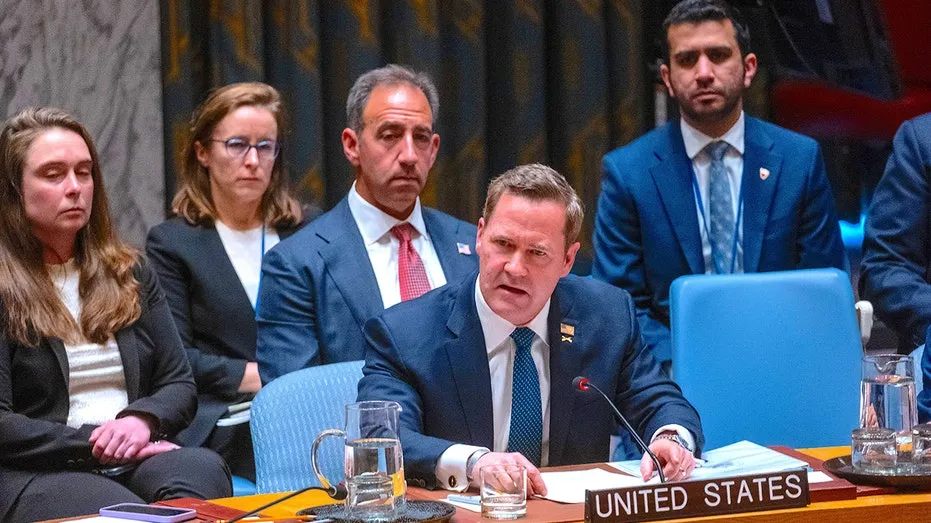
The official line is one of seamless alliance. The reality is a high-stakes gamble where Gulf partners are absorbing the physical blows of a desperate adversary, betting that Washington’s economic vise can finish the job. Ambassador Mike Waltz’s post-trip claim of “zero daylight” with the UAE and Bahrain is less a statement of fact and more a strategic necessity, broadcast to convince Tehran that its isolation is total and its pain is just beginning.
[Official Statement Text]: U.S. Ambassador Mike Waltz, the highest-level official to visit the region since the war began, told Digital that Gulf allies strongly support President Trump’s blockade and Treasury Secretary Scott Bessent’s “Operation Economic Fury.” He stated on Thursday evening that regional leaders believe Iran is “feeling the pain.” He cited the UAE’s particular belief in maintaining “very credible pressure.” Waltz described meetings with UAE President Sheikh Mohammed bin Zayed, calling the Emiratis among the most active partners. He quoted an unnamed U.S. official on Friday assessing an 85% chance of signing a deal with Iran “over the next few days.”
[Geopolitical Real Intentions]: The “zero daylight” proclamation is a pressure tactic in itself, aimed at demoralizing Tehran. The UAE’s willingness to endure “short-term pain”—having taken “by far the most missiles, the most drones, the most hits”—isn’t blind loyalty. It’s a calculated investment. The goal is to leverage U.S. economic warfare to cripple Iran’s regime, which Waltz says is seeing its currency “tanking,” reserves run out, and inflation rise. The growing UAE-Israel partnership via the Abraham Accords is a key part of this realignment, creating a new regional bloc. Support is conditional on the pressure yielding a definitive outcome, namely preventing a nuclear Iran.
[Original Communique, Sanctions, or Aid Data]: Waltz detailed Iran’s economic deterioration: struggling to pay its military and police. He accused Iran of a “phenomenally bad decision” in attacking neighbors, alleging deliberate targeting of fire suppression systems and first responders. In Bahrain, a hub for the U.S. Fifth Fleet, allied teams work with shipping and insurance companies to keep the Strait of Hormuz open. Allied air defenses, Waltz claimed, have a “over a 90% success rate.” His UK stop highlighted diplomatic coordination to keep Iran “isolated diplomatically,” despite past “hiccups.”
[Geopolitical Real Intentions]: The granular details of attacks and economic metrics are not just for reporting. They are the evidence package used to justify sustained escalation and to reassure allies that the strategy is working. The focus on Hormuz logistics and 90% interception rates is a message to global energy markets: the corridor will be defended. Waltz’s framing of Iran’s “desperation” sets the stage for the administration—citing Trump, Rubio, Bessent, Witkoff, and Kushner—to use that pressure “to their advantage” in final negotiations. The pending deal, hinted at 85% complete, is the intended off-ramp, but only from a position of overwhelming strength.
The geopolitical pendulum isn’t swinging on diplomacy alone. It’s being shoved by a coalition willing to bleed and bankroll a campaign of suffocation, with the volatile Strait of Hormuz as the tripwire.
Author bio: Julian Holbrooke, an overseas international relations analyst who frequently contributes to major European daily newspapers, specializing in decoding official rhetoric against the backdrop of hard security and economic realities.