(SeaPRwire) – By: Julian Holbrooke
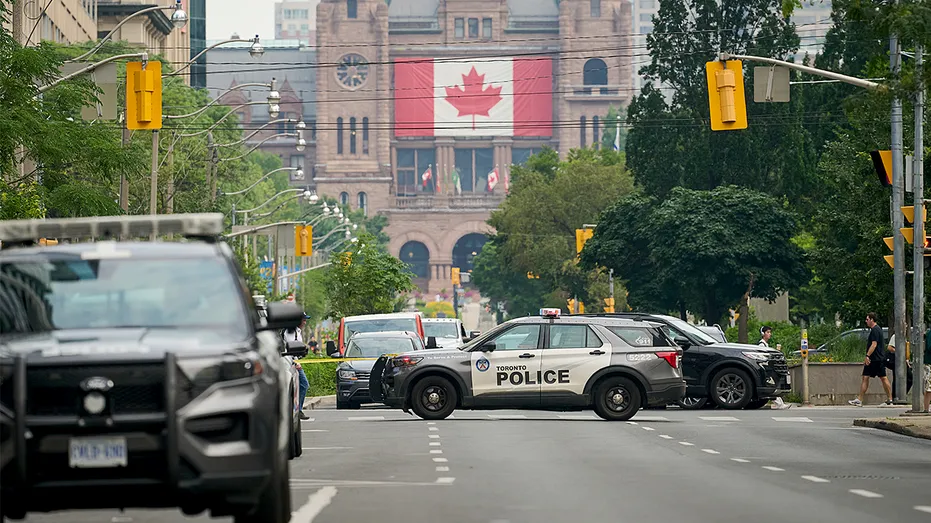
No amount of tough soundbites from Toronto officials can paper over a humiliating security failure. A gunman opened fire on the U.S. Consulate Monday. A marked police patrol car was parked right outside with its lights on when the shots rang out. Police launched an hour-long high-speed chase after the shooter, and still made no arrest. This marks the second time the consulate has been targeted by gunfire this year. No empty rhetoric can frame this as anything less than systemic security breakdown. No injuries were reported, but a single shell casing was recovered at the scene, and the building facade sustained visible damage. The attack did not happen in a vacuum, and officials know that far better than they are letting on.
Official statements are carefully calibrated to project control and calm. The consulate says all U.S. diplomatic sites in Canada remain open and operational, with only minor routine citizen services rescheduled. Toronto Deputy Police Chief Frank Barredo says the investigation will be handled with the utmost seriousness, and perpetrators will be brought to justice. What these statements leave out is the full context of the first consulate shooting on March 10. Two teenagers, 18-year-old Sheldon Tracy-Stewart and 19-year-old Zara Jabbi, were arrested last month for that attack. The pair allegedly fired multiple shots at the building before fleeing in a stolen vehicle, and their cases have not yet gone to trial. Police have already linked that shooting to multilayered gun-for-hire networks that have also targeted Toronto synagogues. Officials don’t want the public to connect those dots, because it exposes how little they’ve done to disrupt these networks in the months since the first attack.
Toronto Mayor Olivia Chow called the attack a brazen act, and promised the culprits will be caught. Ontario Premier Doug Ford posted on X that he is disgusted by the recent spate of shootings, including the weekend attacks on two popular Jewish-owned bakeries. Barredo confirmed police have not ruled out a link between the consulate shooting and the bakery attacks, and motive remains under investigation. The unspoken truth here is that the permanent police presence installed at the consulate after the March shooting was purely performative. Two security staff were inside the building, and a patrol car was parked outside, but no one stopped the shooter before they fired a round that damaged the building facade. Officials are leaning on public outrage to distract from their failure to pre-empt a predictable, repeat attack on a high-priority target. They have known for months these networks are targeting high-visibility locations across the city, and have made no visible progress in dismantling their operations.
If Canadian security forces cannot protect a high-profile U.S. diplomatic facility from repeated targeted attacks, cross-border intelligence sharing and security cooperation protocols will be renegotiated entirely on Washington’s terms, not Ottawa’s.
Author bio: Julian Holbrooke, an international relations analyst and frequent contributor to major European dailies, focuses on North American cross-border security dynamics.