By: Gavin Thorne – SeaPRwire – The war is seven months old. Neither capital has closed the door to more fighting. Neither has closed the door to talks. President Trump expects negotiations next week and keeps the option of renewed strikes on the table. Iranian Foreign Minister Abbas Araghchi says Tehran is fully prepared for either path.
The conflict began on 28 February. On 27 September Trump told Axios in a phone interview that he expected U.S. negotiators to hold more talks with Iran in the coming week. He said Iran wants a deal that is not the one he wants. It might have been acceptable a year ago. This time they are asking for more. Asked whether he was considering restoring strikes, he replied that he has been thinking about it the whole time. U.S. forces are helping move large volumes of oil out of the Strait of Hormuz. The same day Trump told reporters at an event that he believes the United States will soon win the war with Iran. Once that happens oil prices will fall sharply back to pre-war levels. The key point, he said, is that Iran will not have nuclear weapons. When pressed on whether victory would come through military or economic means he answered that America is succeeding on both fronts. The day before he had rejected Iran’s latest ceasefire proposal. Sources told Axios that new indirect talks could begin as early as 28 September with Qatar and other mediators working the channel. It remained unclear whether the sides could bridge core differences. Qatari representatives were expected to meet Iranian Foreign Minister Araghchi and U.S. envoy Witkoff separately as early as 28 September.
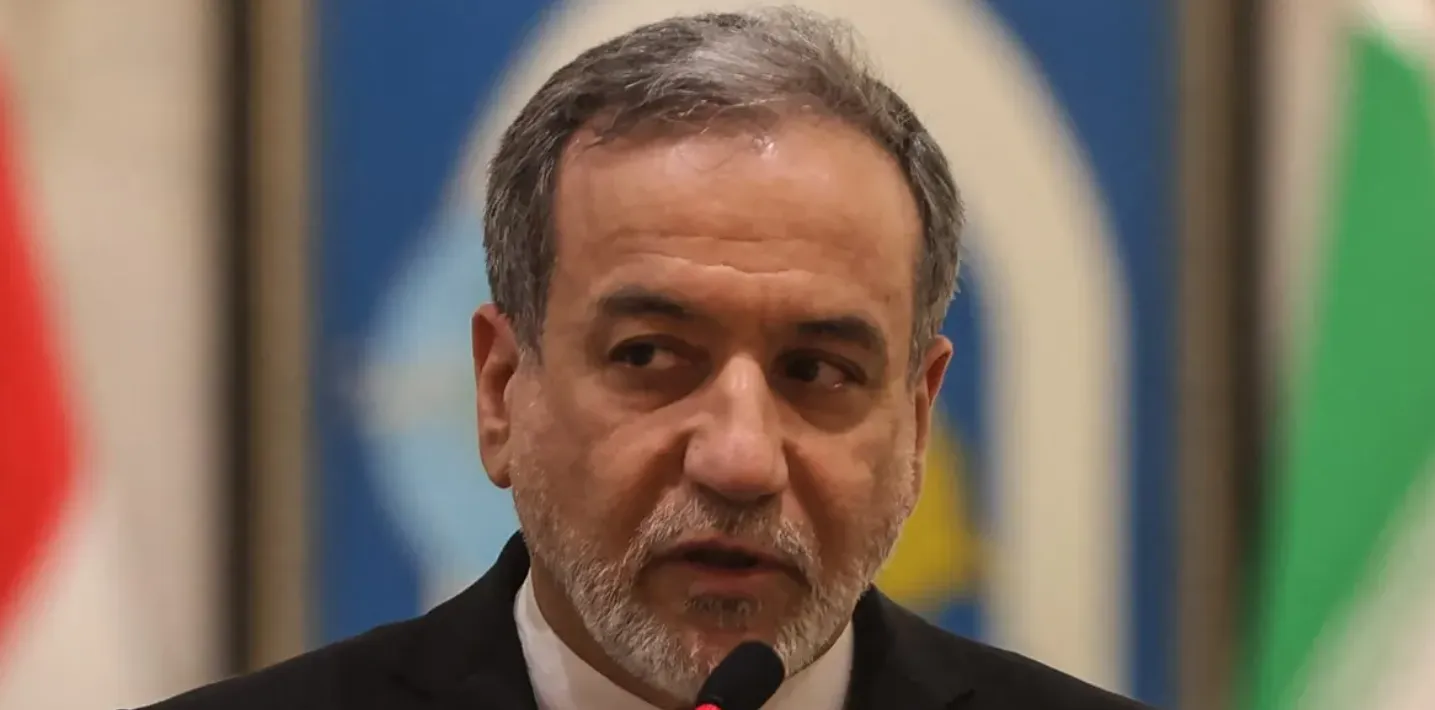
Iranian statements match the dual posture. The Islamic Republic News Agency reported on 28 September that Iran had no intention of holding talks with the United States in New York. Sources said the Iranian delegation was in New York only for the United Nations General Assembly and that the agenda did not include a new round of negotiations with the American side. Araghchi was due to leave for home on 29 September after completing the scheduled program. Tasnim reported that Araghchi told NBC on 27 September that despite Trump’s public remarks the United States had not yet formally conveyed its rejection through mediators. He repeated that Iran is prepared to reopen the strait as part of an end-of-conflict agreement. In exchange Iran wants the unfreezing of illegally seized funds and assets and the ability to sell oil. Those conditions, he said, are not new. They were already promised by the United States in the Islamabad memorandum of understanding. Araghchi told NBC that Iran is fully prepared to resume hostilities and at the same time ready for diplomatic contact. The choice belongs to President Trump. On 28 September he restated on social media that Iran will stand ready against any new aggression even if it becomes an apocalyptic war, while remaining prepared for genuine diplomacy. Mehr quoted senior Iranian military official Habibollah Sayyari the same day saying the armed forces maintain a high state of readiness against any threat. The Iranian people and armed forces are prepared to defend the country. Sayyari added that Iran’s powerful forces control both sides of the Strait of Hormuz. Military spokesman Akraminia said on 27 September that the armed forces are fully prepared and will do everything possible to confront a possible U.S. attack.
Nuclear demands show no movement. U.S. Ambassador to the United Nations Mike Waltz told NBC on 27 September that Tehran is using the return to talks as leverage for excessive demands. He called it a calculated move. Iran deliberately puts forward conditions it knows cannot be accepted simply to open dialogue: lifting the blockade, canceling international sanctions and unfreezing assets. The Wall Street Journal reported on 28 September that Trump has been trying to pull the focus of the conflict back to his original war aim of preventing Iran from obtaining nuclear weapons and away from the question of Iranian control of the Strait of Hormuz. After rejecting Tehran’s ceasefire proposal Iran was urged to make concessions on the nuclear file in order to restart talks. Iranian leadership, according to Middle East officials who speak regularly with Tehran, shows almost no sign of readiness to negotiate over its nuclear program. Those officials told the Journal that Iranian leaders believe they can withstand a prolonged U.S. blockade or another round of American bombing.
Official language from both sides keeps military readiness and diplomatic channels open at the same time. The practical sequence is the rejected seven-day plan, the continued oil movement under U.S. assistance, the expected indirect contacts through Qatar, and the unchanged nuclear red lines. Trump frames victory as the absence of an Iranian nuclear weapon and lower oil prices. Araghchi frames the exchange as reopening the strait for the release of funds and oil sales already promised in the earlier memorandum. Neither side has moved publicly on the nuclear core.
The pendulum is held by the dual statements. Talks may start next week. Strikes remain under active consideration. The next public marker is whether the indirect channel produces a meeting or whether the military option returns first. Until that marker appears the seven-month record of simultaneous preparation for both paths remains the only hard data.
Author bio: Gavin Thorne, overseas geopolitical commentator whose columns on U.S.-Iran escalation, Hormuz leverage and nuclear red-line diplomacy appear regularly in major international newspapers.