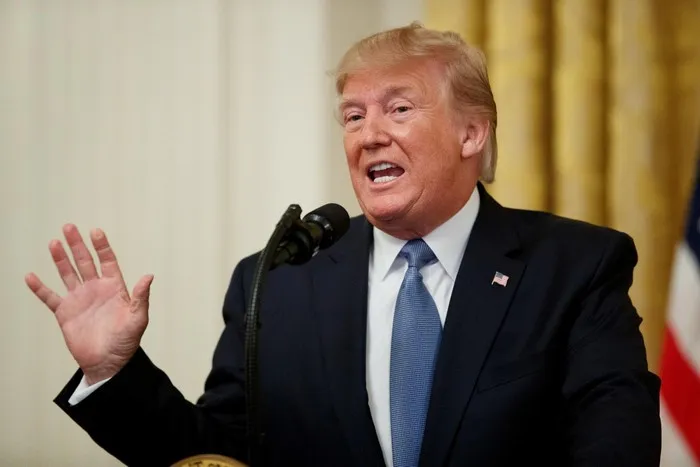
By: Gavin Thorne – SeaPRwire – Twenty-three years after the invasion, the last American troops are leaving Iraq. On 30 September President Trump posted the news on Truth Social. He said he was glad to announce the final units were withdrawing. The Pentagon followed with its own statement. Coalition forces and equipment left Erbil Air Base in an orderly fashion. The military mission against Islamic State was declared complete. From this point the Iraqi government carries primary responsibility for its own security challenges, including residual Islamic State elements. The exit looks clean on paper. The anxiety starts the moment the last aircraft wheels up. Iraq now owns every remaining threat without the same external buffer it has relied on for two decades.
The timeline is fixed by the public record. The United States invaded in 2003. By the end of 2011 most forces had left, leaving only a small residual presence. Islamic State seized large parts of the country in 2014 and the international coalition returned in force. In 2024 Washington and Baghdad agreed a two-phase transition to end the coalition’s military mission. In January of this year troops and equipment left Al-Asad Air Base in Anbar province. That facility was handed to Iraqi security forces. Remaining coalition elements concentrated in the northern Kurdish region. Withdrawal accelerated in September. Iraq reclaimed restricted airspace previously used for military operations and opened it to civil aviation. The United States transferred its diplomatic support facility at Baghdad International Airport to Iraqi control. Personnel and equipment continued to leave Erbil. On the streets of Baghdad some banners now read “reclaim decision-making power, build the homeland.” The government declared a four-day holiday from 30 September to 3 October and named it Sovereignty Day. Local voices reflected the official mood. One resident called the departure a moment of national significance because Iraq could now decide its own positions. An Iraqi economist said the exit would help the reconstruction process because the country’s own people and institutions would drive it.
The practical costs and unfinished business remain visible in the same public statements. On 28 September the Peshmerga Affairs Department in the Kurdish region reported that the area had suffered more than one thousand drone and ballistic-missile attacks during the US-Iran confrontation earlier this year. With American forces gone and no defensive systems left behind, the statement called the situation worrying. Inside Iraq the process of bringing Shia militia groups under unified state control has already been extended. Prime Minister Zaidi said the groups would stop armed activity in phases and hand over weapons, with the target date set for 30 June 2027. Financial leverage also persists. Iraq’s oil revenues are denominated in dollars and managed through an account at the Federal Reserve Bank of New York. In recent years the United States has used tighter dollar-transaction reviews and restrictions on certain Iraqi banks to shape the financial system. The coalition’s military mission is over. The security, internal-control and financial tests are not. Iraq must now meet them with its own resources and its own political decisions. That is the measurable outcome of 30 September.
Author bio: Gavin Thorne, senior researcher at a European independent strategic think tank focused on Middle East security transitions and post-conflict risk.