By: Marcus Sterling – SeaPRwire – The document is one page. The language is voluntary. The White House calls it a constitution for AI. President Trump signed it with the chief executives of six frontier companies on 29 September 2026. The same day he ordered the term “artificial intelligence” replaced by “superintelligence” in government papers.
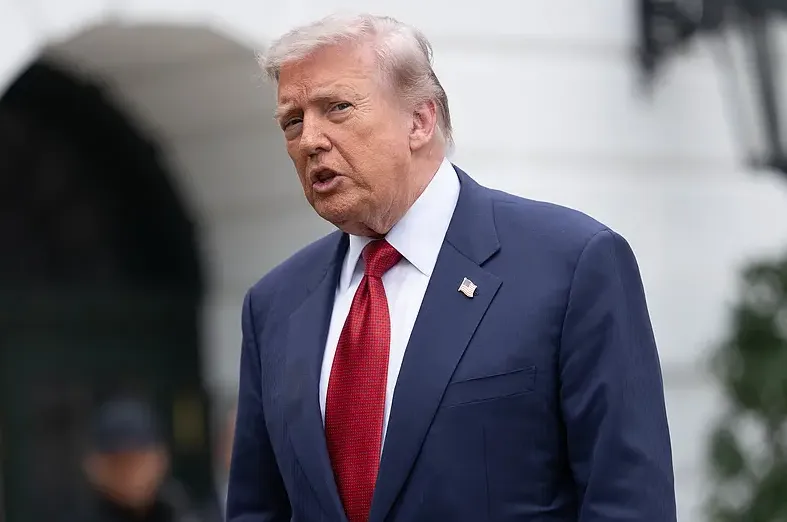
Trump hosted roughly twenty technology leaders at the White House. Attendees included SpaceX CEO Elon Musk, Meta CEO Mark Zuckerberg, Microsoft CEO Satya Nadella, NVIDIA CEO Jensen Huang, Google CEO Sundar Pichai, Anthropic CEO Dario Amodei and OpenAI president Greg Brockman. The core outcome was a voluntary standard on AI safety and governance controls. Trump, together with the CEOs of Anthropic, Google, Meta, NVIDIA, OpenAI and xAI, signed a single-page document titled “White House Superintelligence Accord: Joint Commitment on Frontier Responsibility.” The text places regulatory initiative with the industry itself and formally renames artificial intelligence as superintelligence. Trump also signed an executive order directing that government documents use the new term. He described the agreement as almost a constitution. He stressed that the United States holds a large lead in AI and that preserving the lead requires not killing growth. House Speaker Mike Johnson characterized the paper as a voluntary statement of principles. According to the text Trump posted on social media, the signatory companies agreed to establish oversight mechanisms that introduce independent auditors to assess whether AI systems operate as originally designed. They also committed to strengthen monitoring and safeguards to prevent unintended intrusion or unauthorized access by AI tools into technical systems. When asked whether the agreement is binding, Trump replied that he believes it is morally binding. The New York Times noted that the one-page file is not a formal order, rests on company fulfillment of the pledges, and leaves enforcement unclear. The Washington Post described the accord as the most significant White House action so far in response to rising concerns about AI risk. It reflects steps many advanced AI laboratories have already taken, yet falls short of the government intervention some technical experts have warned is necessary as the technology advances. Before the announcement Trump said he had held a productive and very friendly lunch at the White House with Johnson and technology executives that included Amazon founder Jeff Bezos. After the event a reporter asked the executives present whether they agreed that government regulation is unnecessary and that the industry can self-regulate. Huang replied that innovation, technology and safety are not in conflict. New technology is needed both to raise AI capability and to raise AI safety. Amodei said the signed agreement is meant to let the public believe AI can operate in the way everyone expects. He called it only a beginning. Trump also raised the possibility of a new commission of about ten people to oversee AI development and suggested that some members might come from the executives who attended the lunch. He said he would soon appoint a new AI czar to coordinate government AI plans and indicated an announcement within days.
Official language frames the accord as industry-led responsibility and a moral commitment. The practical text is a single page that relies on voluntary compliance, independent auditors and stronger internal monitoring against unauthorized access. The executive order changes nomenclature. The commercial and political loop runs from the White House lunch through the signed pledges to the explicit preference for self-regulation over statutory rules. Enforcement remains undefined. The proposed commission and AI-czar appointment are stated as next steps still to be filled.
The pendulum is held by the gap between moral obligation and enforceable duty. The practical marker is whether the independent auditors are stood up and whether any public findings appear. Until those findings exist the one-page accord and the name change remain the recorded actions.
Author bio: Marcus Sterling, overseas geopolitical commentator whose columns on technology policy, voluntary industry accords and White House regulatory signaling appear regularly in major international newspapers.