By: Marcus Sterling – SeaPRwire – A single blade in the flight deck is enough to freeze an entire air corridor. That is the reality now facing flydubai after the events of 30 September. Flight FZ1073 left Dubai bound for Tel Aviv. Somewhere over the route the co-pilot allegedly drew a knife and stabbed the captain. The aircraft went into a sudden descent. Crew and passengers fought back, subdued the attacker, and restored control. The plane diverted and landed safely in Tabuk, Saudi Arabia. Within hours the airline suspended every flight between Dubai and Israel. The decision was not taken lightly. It was coordinated with the relevant authorities. Yet the speed of the response tells its own story. One cockpit breach was judged serious enough to ground an entire network of services. Regional air links that had only recently resumed still sit on thin ice. Security planners already knew the risks. Now the risks have a concrete case file attached.
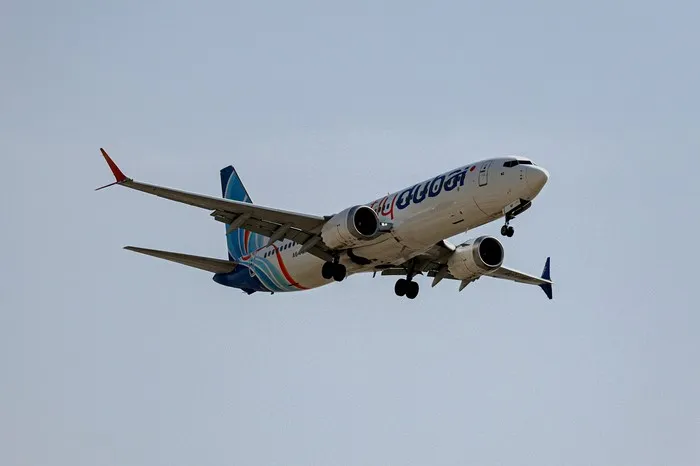
The official sequence is clear and limited to what has been stated. On 30 September flydubai issued its statement. The suspension of all flights to and from Israel would remain in place while the investigation continued. The airline said it would stay in close contact with government departments, regulators and airport operators. It would review the decision as further information became available. The company expressed regret to passengers whose plans were disrupted and said it was working to provide assistance and alternative arrangements. According to accounts from the Emirates side, the first officer is alleged to have attacked the captain with a knife while the aircraft was en route to Tel Aviv. The sudden drop in altitude followed. Other crew members and passengers overpowered the assailant. Control of the aircraft was regained. The flight diverted and touched down without further incident at Tabuk. The UAE Civil Aviation Authority confirmed that some crew members were injured. The 174 passengers later continued their journey to Tel Aviv on a different flydubai aircraft. The same authority opened a formal investigation. That probe covers both the operational conduct of the flight and the security arrangements that allowed the incident to occur.
Any suspension of this scale carries immediate commercial weight. Passengers must be rebooked. Aircraft and crews are left idle on a route that had been rebuilt with care. The airline’s own statement makes plain that the freeze is temporary and subject to review. Still, the bar for lifting it will be high. A knife reached the flight deck. That fact alone demands answers about screening, cabin access and the procedures that are supposed to keep the cockpit sealed. The investigation now under way will have to establish how the weapon entered the aircraft and how the confrontation escalated so quickly. Until those questions receive credible replies, the flights stay grounded. Other carriers operating similar routes will watch the findings with interest. A single failure of this kind can reshape risk calculations across the region. The practical response is straightforward. Complete the investigation with full transparency. Close whatever gap allowed a knife into the cockpit. Only then restore the service. Anything less leaves the same vulnerability open for the next flight.
Author bio: Marcus Sterling, senior researcher at a European independent strategic think tank focused on regional security and aviation risk.