(SeaPRwire) – By: Julian Holbrooke
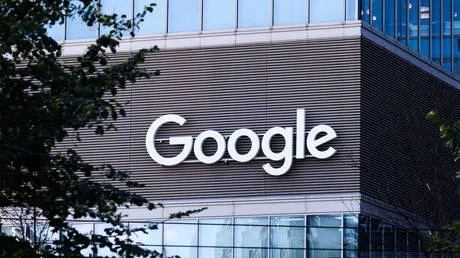
The European Commission has pocketed more than €6 billion in big tech fines this month alone. This is not standard antitrust enforcement. It is a liquidity event. Brussels frames these penalties as corrections for market behavior. The reality is a desperate search for capital. The bloc faces a widening budget deficit projected to reach 3.6% of GDP by 2027. Regulators are now acting like creditors. Tech giants are no longer strategic partners. They are walking bank accounts. The €890 million Google fine arrives days after a €4.6 billion payout was confirmed for deficit relief. This pattern defines the new regulatory landscape. The message to Silicon Valley is clear. Compliance is now a funding mechanism.
Henna Virkkunen states the Digital Markets Act ensures a fair and level playing field. She emphasizes competition as the primary goal. The official record shows two specific violations. Google paid €460 million for prioritizing shopping and travel deals in search results. A second €430 million penalty targets preventing app developers from steering users to cheaper offers. These claims sound like consumer protection efforts. The industry subtext tells a different story. Google has sixty days to alter search prominence. Kent Walker claims this forces the removal of real-time features Europeans love. He calls it product degradation driven by self-serving complainants. The compliance cost is a direct hit to user utility. The regulatory clock is ticking. Innovation takes a backseat to budget requirements.
The fiscal pressure behind the rulings is stark. The €4.6 billion fine from 2018 regarding Android dominance is now being deployed directly into the EU’s common budget. This payout equals more than 2% of the bloc’s annual budget. A spokesperson confirmed the funds alleviate the growing deficit. Brussels urges member states to increase military budgets. The bloc borrows tens of billions to prop up Ukraine. A €90 billion Ukraine support loan was approved for 2026-2027. Spending on the European Peace Facility weapons fund tripled from 2021 to 2026. The European Defense Fund hiked from €590 million to €8 billion. Fines to Google and AliExpress add up to €6.04 billion. This sum exceeds the yearly contributions of Portugal, Finland, Greece, and Cyprus combined. The Commission treats foreign tech platforms as a resource pool. AliExpress received a €550 million penalty for counterfeit goods. The timing suggests a coordinated revenue drive. The regulatory body is functioning like a treasury department.
The geopolitical pendulum has shifted away from innovation incentives. It now favors sovereign solvency. The Commission builds an independent tech stack while taxing foreign dominance. This dual strategy extracts cash today while building capacity for tomorrow. The risk is regulatory overreach becoming the primary business model. Companies will factor compliance costs into European pricing. Sovereignty is no longer just about control. It is about funding defense and aid through penalty income. The era of collaboration is ending. The era of extraction has begun. US firms will view Brussels as a hostile market. Investment decisions will reflect this new tax reality. The digital single market is becoming a fee-based structure.
Author bio: Julian Holbrooke, an overseas international relations analyst who frequently contributes to major European daily newspapers.