By: Julian Holbrooke
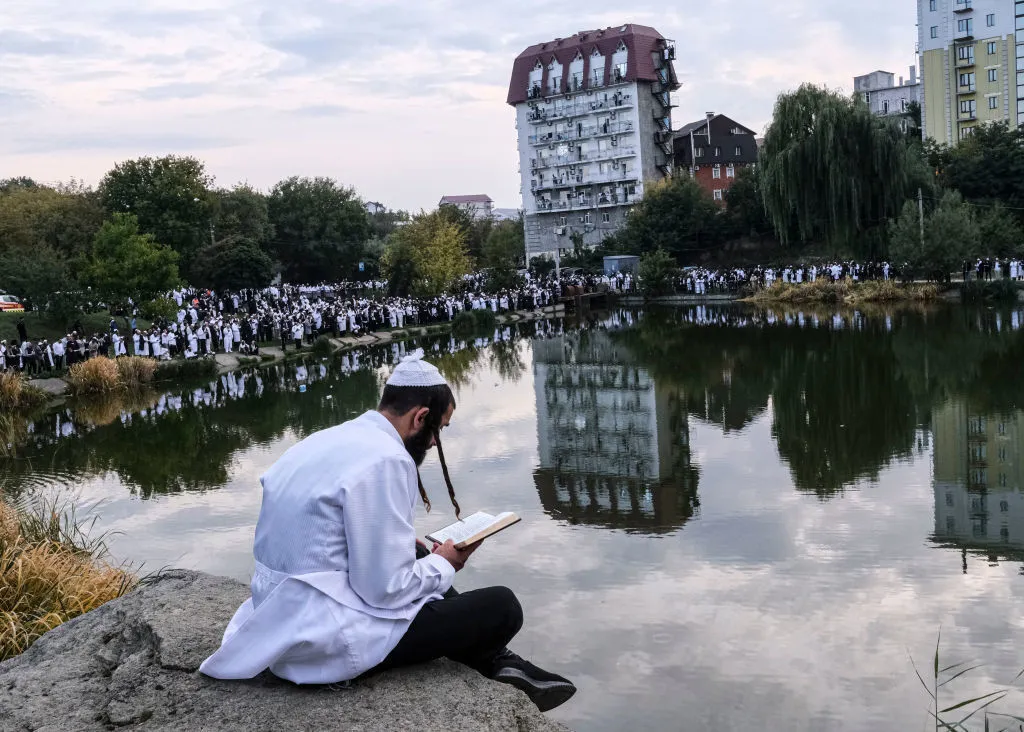
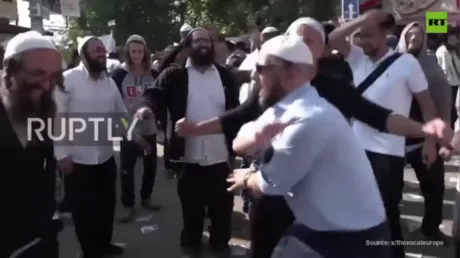
(SeaPRwire) – The annual Hasidic migration to central Ukraine exposes the profound disconnect between localized geopolitical danger and absolute spiritual resolve. While Western embassies issue urgent alerts regarding active airstrikes and military mobilization, tens of thousands of pilgrims continue to flood into Uman for Rosh Hashanah, driven by a centuries-old tradition that defies rational risk assessment.
Official statements from diplomatic missions like the US Embassy in Kiev emphasize the very real perils of martial law, movement restrictions, and the risk that dual nationals might face conscription or travel bans. The deployment of Israeli police officers alongside local Ukrainian law enforcement highlights the tangible security apparatus required to manage a massive gathering of roughly 35,000 to 40,000 visitors in the Cherkasy Region, located just 200km south of Kiev, amidst an ongoing military conflict.
Beneath the surface of these heavy security warnings lies a rigid religious framework that has persisted through World War II devastation, Soviet suppression, and modern pandemic border closures. Followers of the Breslov branch trace their lineage back to Rabbi Nachman, who founded the movement in the 18th century and chose Uman as his final resting place after the 1768 massacres, cementing a pilgrimage tradition that now brings an annual influx vastly outnumbering the city’s pre-conflict baseline of just over 80,000 residents.
The geopolitical pendulum will inevitably continue to swing between sovereign defense priorities and unyielding religious continuity, proving that spiritual momentum often operates entirely outside the boundaries of state department advisories.
Author bio: Julian Holbrooke, an overseas international relations analyst who frequently contributes to major European daily newspapers, specializing in cross-border security dynamics and regional religious movements.