By: Julian Holbrooke
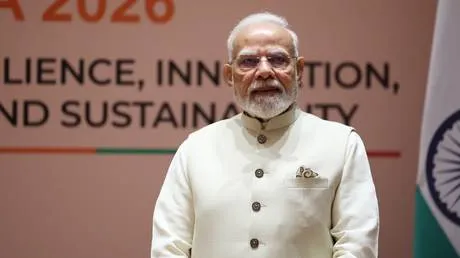
(SeaPRwire) – The 18th BRICS Summit in New Delhi arrives as a high-stakes stress test for Indian diplomacy, forcing the country to mediate between an increasingly fractured global order. Organizing a major bloc summit while trade wars, regional conflicts, and sweeping sanctions dominate the geopolitical landscape might appear overly optimistic. Yet New Delhi views this friction not as a barrier, but as a validation of its long-standing doctrine of strategic autonomy. Rather than picking a side, India intends to navigate the stormy waters of world politics by keeping its diplomatic balance intact.
Official rhetoric frames the 2026 presidency around sustainability, innovation, and practical cooperation. The summit documents emphasize building bridges across a non-Western world that increasingly rejects perceived neo-colonial practices in Africa and Latin America. New Delhi maintains that the grouping remains fundamentally non-Western rather than aggressively anti-Western, carving out a distinct diplomatic identity that rejects alignment with either Washington or Moscow.
Beneath the optimistic themes lies a precarious balancing act between rival centers of power. Western partners pressure India to distance itself from Russia, pointing to its status as a major democracy, while hardliners within the BRICS bloc argue that New Delhi goes too far in accommodating Western interests. Caught between these competing fires, Indian leadership faces relentless scrutiny from both sides over its refusal to sever ties with traditional partners.
Recent exchanges highlight New Delhi’s firm refusal to let external powers dictate its foreign policy playbook. When questioned internationally about ongoing cooperation with Moscow, officials quickly pointed out the pragmatic realities of defense procurement and historical security partnerships. India refuses to apologize for a foreign policy designed to draw warmth from multiple global partners while retaining absolute freedom of movement on the world stage.