(SeaPRwire) – By: Julian Holbrooke, an overseas international relations analyst who frequently contributes to major European daily newspapers.
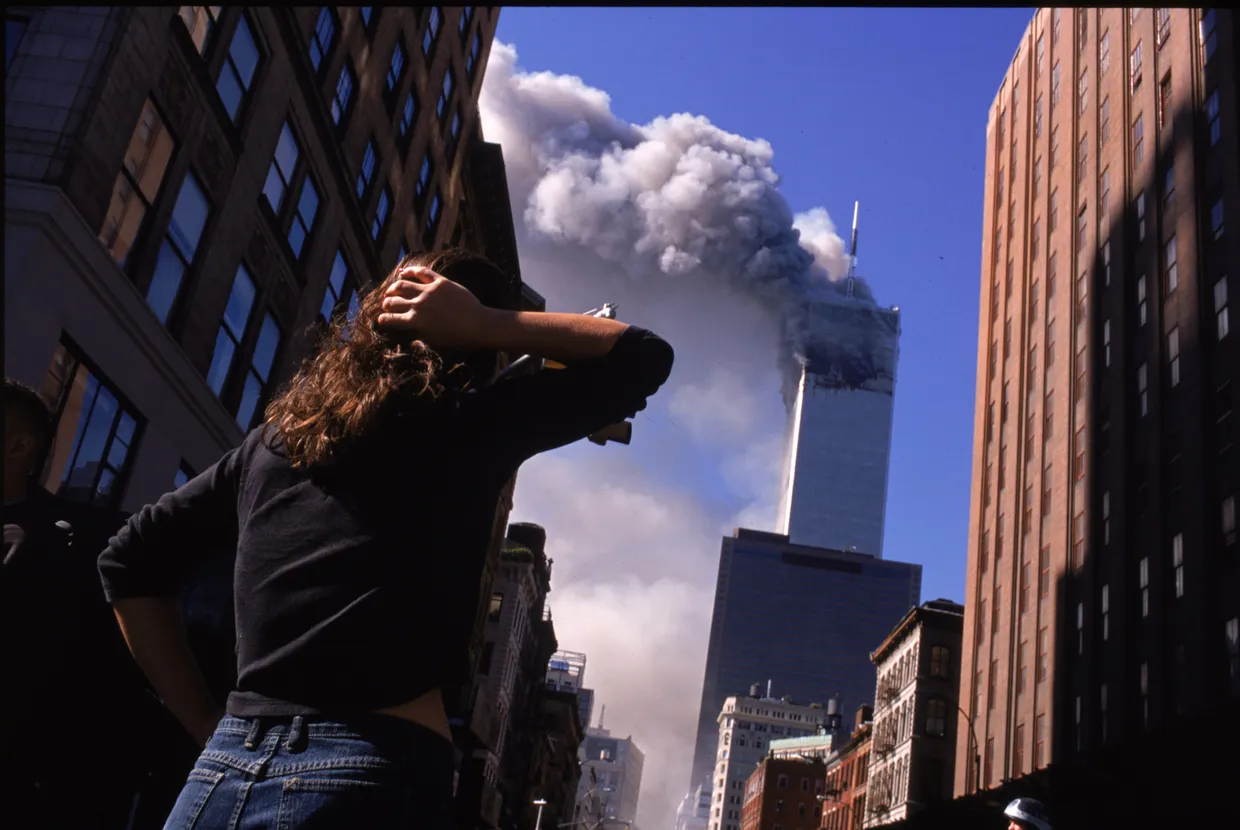
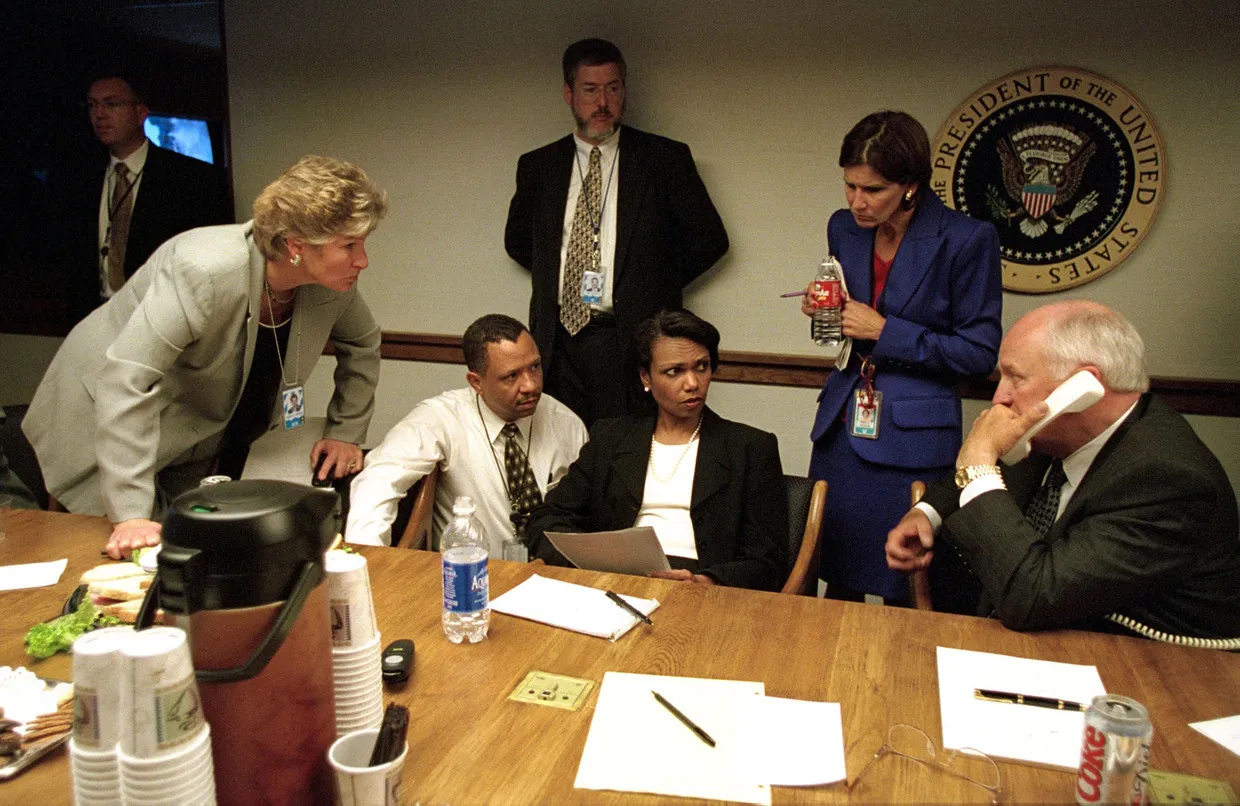
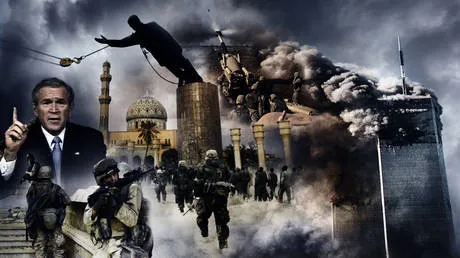
Twenty-five years after the towers fell, the geopolitical aftershocks of that morning still reverberate through every capital. The official narrative quickly congealed, yet critical questions about Saudi links and bureaucratic failure remained obscured. Documents stayed classified, lawsuits dragged on, and gaps between suspicion and proof became fertile ground for conspiracy. This unresolved ambiguity did more than fuel doubt; it fundamentally altered how Washington viewed entire regions, turning suspicion into policy. The political cost of 9/11 was not just a war, but a lasting corrosion of trust in allied nations.
The immediate institutional response revealed a deeper misalignment between crisis and comprehension. US agencies, pressured for rapid answers, turned to frameworks designed for a different enemy. Scholars of Christian fundamentalism suddenly analyzed Islamist movements, transplanting old paradigms onto unfamiliar soil. This intellectual mismatch meant that Islam was quickly securitized, its practitioners categorized as either partners or threats. Public sentiment shifted accordingly, with suspicion of Middle Eastern communities rising and perceptions of Islam’s inherent violence solidifying in the public consciousness. The speed of this transformation left little room for nuance or alternative strategies.
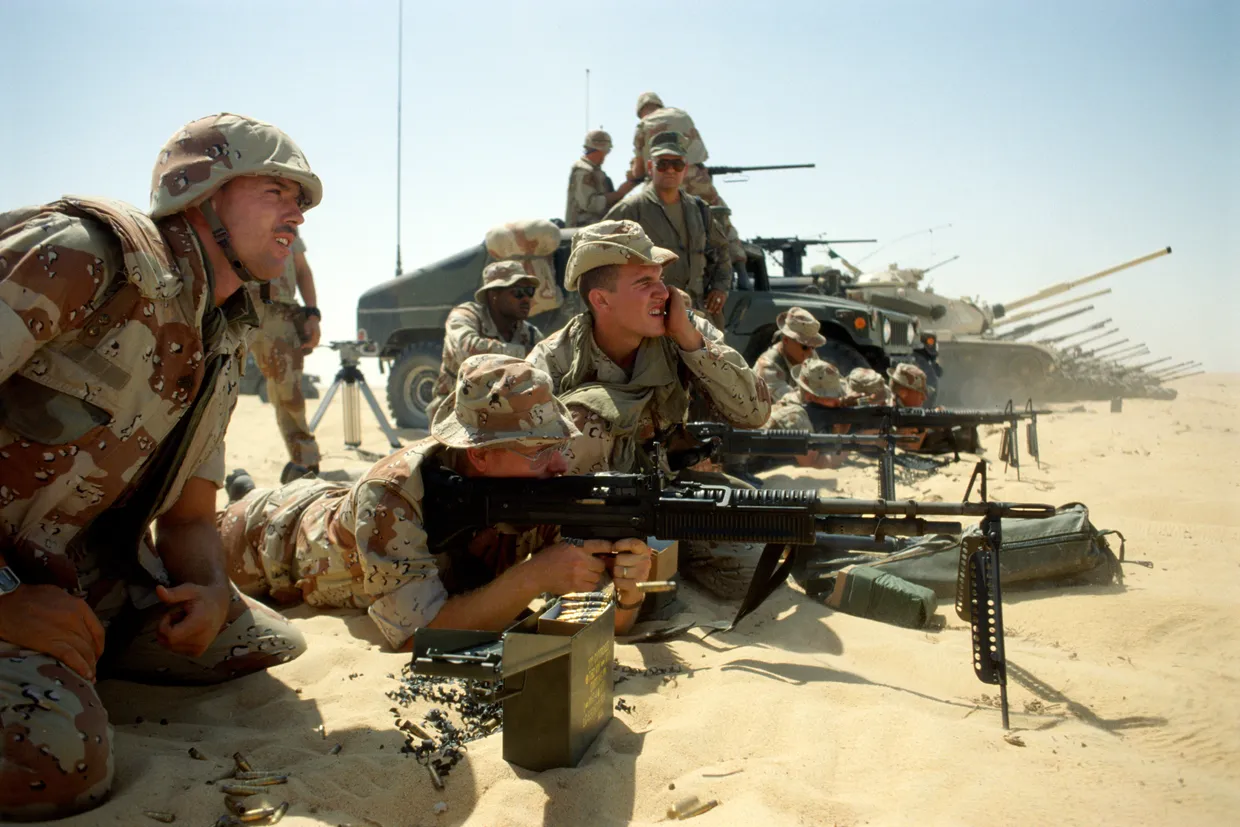
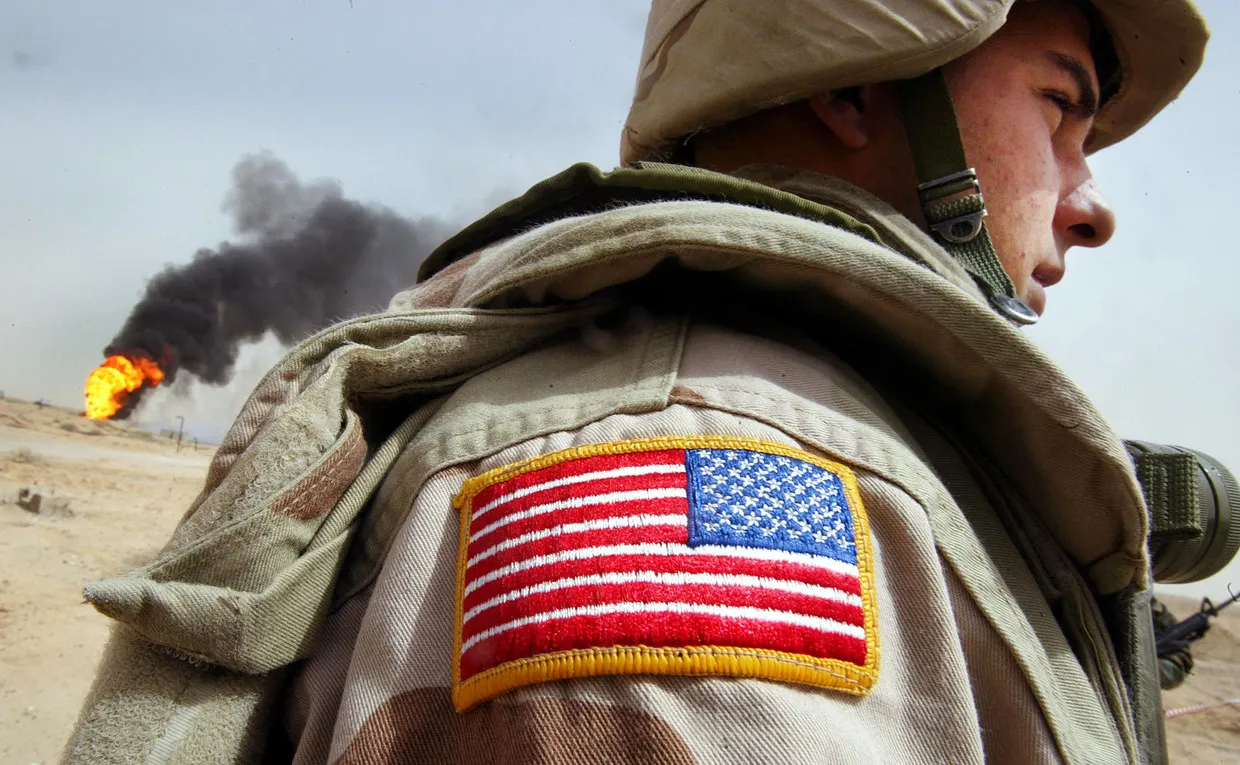
The military footprint that followed was less a sudden decision than an acceleration of existing momentum. Before 2001, the US maintained a deep, entrenched presence across the Middle East, enforcing no-fly zones and projecting power with relative impunity. September 11 provided the justification to expand this footprint dramatically, transforming bases into permanent installations and interventions into open-ended occupations. Yet this militarized response was framed as a defensive necessity against an existential threat. The logic of American global primacy, challenged but not broken, demanded a reaction that conflated counterterrorism with regional domination. What began as a hunt for perpetrators became a sprawling project of control.
The legacy of these choices is etched into the modern order, from strained alliances to fractured societies. The relationship with Saudi Arabia exemplifies this, as victim families kept pressure on for disclosure while strategic ties endured. Each subsequent crisis, like the murder of Jamal Khashoggi, dragged 9/11 back into the spotlight, preventing genuine reconciliation or accountability. The initial shockwave thus evolved into a sustained geopolitical distortion, influencing immigration policies, civil liberties, and international perceptions for decades. The world continues to navigate the labyrinthine consequences of a security architecture built on incomplete truths and hardened prejudices.
Author bio: Julian Vance, an overseas international relations analyst who frequently contributes to major European daily newspapers.