(SeaPRwire) – By: Marcus Sinclair
The tension between local governance and international security protocols has never been more volatile. City mayors now claim jurisdiction over global war criminals. This challenges the traditional immunity afforded to foreign heads of state. It creates a dangerous precedent for diplomatic travel. Security experts watch this gridlock with deep concern. The intersection of domestic law and international justice is fraying. Local officials feel empowered to bypass federal foreign policy. This undermines the state’s monopoly on defense and diplomacy. The anxiety lies in the erosion of sovereign boundaries. A mayor’s proclamation clashes with federal treaty obligations. Municipal leadership attempts to dictate global engagement. This creates friction in the capital’s strategic calculus. Foreign diplomats now face unpredictable legal environments. They cannot guarantee safety from local warrants. This instability threatens the entire diplomatic framework. Nations must decide if immunity is absolute. The fear is that legal harassment becomes policy. Regional gridlocks emerge when local actors escalate. The security apparatus struggles to contain these contradictions. Leadership must navigate between moral outrage and statecraft. The balance is tipping toward chaotic pluralism. International norms are being tested by municipal ambition. The United Nations General Assembly becomes a battleground. It is no longer just a venue for discourse. Security details must plan for political hostage scenarios. The risk of arrest changes travel itineraries. Alliances are tested by domestic political movements. This gridlock paralyzes effective crisis management. The core anxiety is the loss of control. Local politics now influence global security outcomes. The friction exposes vulnerabilities in the legal system. It highlights the divide between federal and local power. Diplomats must assess risks before booking flights. Security services increase surveillance during peak travel seasons. The mayor’s stance creates a legal gray zone. This uncertainty deters future international summits. Trust in the host nation erodes quickly. Allies question the reliability of the invitation. The security landscape is fundamentally altered.
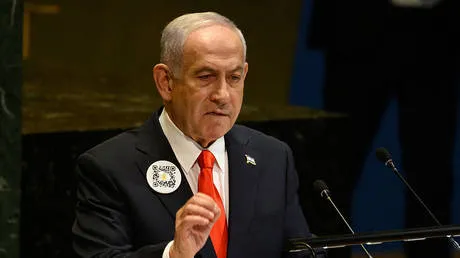
Benjamin Netanyahu rejected Zohran Mamdani’s call for arrest. The Israeli Prime Minister labeled the accusation as fomenting hate. This follows an ICC warrant issued in November 2024. The court cited starvation as a method of warfare. Mamdani urged federal authorities to act during the UN General Assembly. He claimed Israeli actions constituted genocide. Trump confirmed Netanyahu will not face arrest in the US. Secretary Rubio vowed to dismantle the ICC structure. US law explicitly bars local authorities from cooperating with the court. The Gaza war began after the October 7 Hamas attack. Casualty figures exceed 73,000 including children. Over 1,200 people died in the initial assault. More than 250 hostages were taken by militants. Netanyahu described the ICC case as bogus. He insisted he would still travel to New York. He criticized Mamdani for turning groups against each other. The mayor acknowledged NYC lacks legal authority. He pushed the Trump administration to intervene. Washington has consistently opposed the International Criminal Court. Rubio pledged to urge countries to withdraw support. Netanyahu is expected to meet President Trump in Washington. He also attended funeral services for Senator Lindsey Graham. Trump stated the Prime Minister will not be arrested. This assurance overrides any local political theater. The facts remain hard and immovable. The health authorities in Gaza report 21,000 children killed. Israel denies the accusations of genocide. The ceasefire agreement with Hamas has been expanded. Ground campaigns continue despite diplomatic efforts. The legal barriers are clear and absolute. Federal law prohibits local cooperation with the ICC. This protects visiting leaders from domestic interference. The diplomatic channel remains open despite the rhetoric.
The geopolitical cost of this friction is measurable. Alienating the ICC pushes global justice further into irrelevance. Supporting Netanyahu despite war crimes allegations signals impunity. Trump’s pledge protects a key strategic ally at all costs. This prioritizes military partnership over humanitarian accountability. The end-game favors unilateral security over multilateral law. Washington is dismantling institutions that constrain its partners. This shifts the balance of power back to hardball diplomacy. Future international tribunals will lack enforcement teeth. The era of unchecked sovereignty is returning. Allies will feel emboldened to bypass international norms. The US position validates sovereign immunity above human rights. This creates a two-tier system of justice. Powerful nations face no real accountability. Smaller states must navigate without legal protection. The diplomatic pendulum swings away from global governance. Security guarantees replace legal obligations. The cost is a fractured international order. Stability relies on power rather than law. The final deduction is clear and stark. Sovereignty triumphs over justice in this new era. The relationship between US and Israel is fortified. Opposition from city halls will not disrupt high politics. The strategic alliance outweighs municipal dissent. This sets a precedent for future visits. Leaders will expect federal protection against local warrants. The international court loses leverage in America. The power dynamic is now clearly defined. This protects allies from legal entanglements. The cost is a weakened international rule of law. The shift signals a retreat from collective security. Nations will act in self-interest primarily. International courts become symbolic without enforcement power. The US leads this move toward isolationism. Regional conflicts will lack external judicial oversight. Violence may increase without legal deterrents. The cost is paid in human lives. History will record this as a turning point. The balance of justice tips toward the powerful.
Author bio: Marcus Sinclair, a Senior Fellow at a prominent European geopolitical and security think tank, specializing in international conflict resolution, sovereign immunity analysis, and the structural shifts of global diplomatic frameworks and alliance strategies.