(SeaPRwire) – By: Robert Kensington
The news of a diarrhea-causing parasite outbreak linked to Taco Bell’s shredded iceberg lettuce is a wake-up call for the food industry. As an entrepreneurial veteran with decades of experience in real-economy industrial investment and expansion, I find this situation deeply concerning. It not only poses a significant health risk to consumers but also highlights the vulnerabilities in the food supply chain.
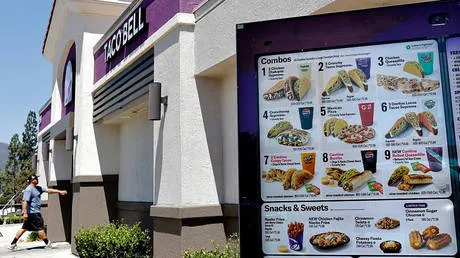
On the surface, the official facts are clear. Since early May, over 1,600 laboratory-confirmed cases of cyclosporiasis have been reported nationwide, with 94 people hospitalized. The CDC identified Taco Bell as the source of the infections and traced the contaminated produce to a single supplier in central Mexico, Taylor Farms de Mexico. The supplier has voluntarily removed all iceberg lettuce from the US market, and the CDC has urged people not to eat shredded iceberg lettuce at Taco Bell restaurants in certain states.
However, the industry subtext reveals a more complex picture. This is not the first time cyclosporiasis outbreaks in the US have been linked to produce imported from Mexico. Previous outbreaks have involved cilantro, raspberries, sweet peas, lettuce, and basil. This pattern suggests that there may be systemic issues in the agricultural practices or food safety standards in Mexico, or in the way produce is handled and transported across the border.
Moreover, the fact that the illness is difficult to diagnose because it is not detected by most routine laboratory tests means that there could be many more undiagnosed cases. This not only prolongs the suffering of those infected but also makes it harder to contain the outbreak. The economic impact on Taco Bell and other businesses in the supply chain could be significant, as consumers may lose confidence in the brand and avoid purchasing their products.
In the long run, this incident could reshape the food supply chain landscape. Food companies may be more cautious about sourcing produce from certain regions or suppliers, and may invest more in food safety measures and traceability systems. Consumers, on the other hand, may become more aware of the risks associated with imported produce and demand higher standards of food safety.
Author bio: Robert Kensington, an overseas entrepreneurial veteran with decades of experience in real-economy industrial investment and expansion.