(SeaPRwire) – By: Ethan Gallagher
Trump’s handshake looked like a deal. It was just theater. Ankara wanted planes. Washington wanted leverage. The letters tell the real story. The F-35 dream is not back. It is frozen in legal concrete. Everyone in the defense industry knows this. A president’s word does not bypass a committee. The State Department sent a letter. It went straight to Congress. The language was precise. It said no transfer is possible. Ankara still holds Russian radars. The law prohibits the sale. It is not a negotiation. It is a compliance audit. The illusion of movement is dangerous. It burns political capital. It wastes diplomatic time. The hardware does not fly on promises. It flies on certification. Certification is missing. The risk is too high. Stealth technology is sacred. It cannot be exposed. The S-400 is the enemy. It sits on Turkish soil. It points at NATO assets. Washington cannot ignore this. The legal barrier is absolute. Trump’s comments were hopeful. They were not binding. Congress holds the purse. Congress holds the law. The industry waits. The factories sit idle. The pilots have no jets. The partnership is dead. It was never truly alive again. The letter proves it. The diplomatic dance continues. But the contract remains unsigned. No delivery date exists. No technical waiver is signed. The S-400 remains the hard stop. The F-35 remains the hard no. This is not a glitch. This is the system working. It is designed to block risk. It is designed to protect secrets. Ankara wanted autonomy. It bought a Russian system. Now it pays the price. The price is the jet. The price is the industry. The price is the alliance. The letter confirms the deadlock. There is no path forward. Not without dismantling the S-400. Not without legal guarantees. Not without Congressional approval. None of these are present. The dream is grounded. It is grounded for good.
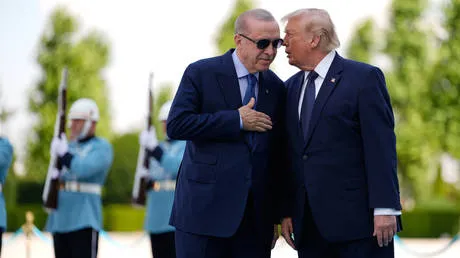
The NATO summit in Ankara made headlines. Trump sat with Erdogan. He spoke of lifting sanctions. He spoke of resolving the issue. The press picked up the story. Ankara celebrated the breakthrough. The public saw hope. The stock market might have blinked. But the State Department acted fast. They sent a letter to Congress. It arrived in late July. It reset the dispute to square one. The official text was blunt. It stated transfer remains impossible. Ankara possesses the S-400. No legal guarantees exist. Security risks are not removed. The administration cannot certify safety. The industry subtext is clear. The White House wants goodwill. The bureaucracy wants compliance. The two do not match. Trump sees a useful ally. Congress sees a strategic risk. The letter protects the program. It protects the stealth. It protects the supply chain. The subtext warns investors. Do not bet on Ankara yet. The legal framework is rigid. It does not bend for diplomacy. The S-400 is the trigger. It activates the prohibition. It blocks the transfer. Ankara argues the systems can coexist. Washington says they cannot. The letter confirms the fear. It confirms the technical threat. It confirms the political cost. The positive resolution was verbal. The impossible transfer is written. The law trumps the conversation. The industry knows the law. They read the fine print. They see the blockade. It is not a delay. It is a denial. The subtext screams caution. The official text whispers hope. The gap is where the problem lives. Ankara fills it with pride. Washington fills it with rules. The planes stay in the hangar. The pilots stay on the ground. The money stays in the vault. The partnership stays in the past.
Ankara justified the Russian purchase. They claimed Washington failed them. The Patriot system lacked terms. Technology transfer was ignored. Urgent air defense needs were sidelined. For Erdogan, the deal had value. It showed strategic independence. It proved Ankara chooses its own weapons. The industry subtext is different. The S-400 is a threat. Its radars are sensitive. They can detect stealth signatures. They can gather electronic data. The F-35 relies on invisibility. Exposure kills the advantage. Washington sees a leak. Ankara sees a shield. The systems cannot mix. Even separate operation is risky. The physical presence is enough. The Pentagon halted pilot training. They withheld produced aircraft. They imposed sanctions. The industrial cost was immediate. Hundreds of components were made in Turkey. Fuselage parts went to Texas. Landing gear vanished. Wiring systems disappeared. Engine components stopped flowing. The supply chain fractured. The network collapsed. Companies lost orders. Specialists lost jobs. Public investment was stranded. The S-400 became a burden. It cannot be fully activated. It risks a NATO crisis. Returning it admits a mistake. Dismantling it admits defeat. It sits there gathering dust. Israel adds another layer. Netanyahu opposes the transfer. He cites regional balance. He cites aggressive ambitions. He cites ties with Hamas. The pro-Israel lobby works in Congress. They draft bipartisan letters. They hold committee hearings. They demand restrictions. They protect the qualitative military edge. The subtext is containment. They do not want Turkish power. They want Israeli superiority. The F-35 expands that power. It brings data sharing. It brings intelligence capabilities. It supports the KAAN program. This is unacceptable to Tel Aviv. The lobby ensures the block holds. It bypasses the president. It speaks through law. The technical risk is real. The political risk is managed. Ankara is the target. The S-400 is the excuse. The F-35 is the prize. The prize remains out of reach.
The industrial partnership is gone. It will not return soon. Ankara invested heavily in the program. They trained pilots early. They integrated local firms. They planned for one hundred jets. All of that is frozen. The Pentagon moved production elsewhere. They found alternative suppliers. They cut the Turkish link. The cost was efficiency. The cost was speed. But the priority was security. The supply chain is no longer global. It is bloc-based. Allies get the gear. Adversaries get the scraps. Ankara tried to walk both ways. It bought Russian steel. It wanted American tech. The market does not allow hedging. Loyalty is required. Security is required. The F-35 is the ultimate test. It demands total integration. It demands total trust. Ankara failed the test. The S-400 was the fail point. The industry must learn. You cannot buy autonomy with incompatible tech. You cannot expect integration while holding threats. The supply chain is a weapon. It is used to enforce alignment. Ankara lost its seat at the table. The companies lost their contracts. The specialists lost their network. The knowledge base is stalled. The KAAN program must stand alone. It cannot piggyback on F-35 data. It cannot share F-35 maintenance. It is isolated. The end game is clear. Defense supply chains are hardening. They are closing ranks. They are screening partners. Ankara is screened out. The F-35 dream crashed. It was not a technical failure. It was a political failure. It was a strategic mismatch. The planes will not fly. The factories will not reopen. The alliance is fractured. The lesson is brutal. Pick a side. Or pick nothing. Ankara picked both. It got nothing. The landscape has shifted. It will not shift back. The era of opportunistic defense deals is over. The era of bloc security is here. Ankara is outside the gate.
Author bio: Ethan Gallagher, a Silicon Valley Hardware Architect and Infrastructure Strategist.