(SeaPRwire) – By: Robert Kensington
The automotive retail landscape is currently defined by a quiet, pragmatic shift. While manufacturers chase high-margin electric platforms and complex digital cockpits, the average family is simply looking for a reliable way to get from point A to point B without a five-year debt trap. We Auto in Baton Rouge is leaning into this reality. They are positioning themselves not as a high-tech showroom, but as a necessary buffer against the rising costs of modern vehicle ownership. It is a classic move in a market where affordability has become the ultimate luxury.
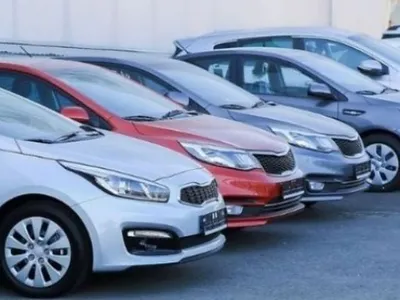
The official narrative from the dealership highlights a broad inventory of SUVs, crossovers, and sedans. They emphasize the inclusion of modern essentials like rearview cameras and smartphone integration. These are not just features; they are the baseline requirements for any household managing school runs and daily commutes. By focusing on pre-owned inventory, the dealership avoids the massive depreciation hits that plague new vehicle buyers. They are effectively recycling utility back into the local economy.
Behind the scenes, this strategy reflects a deeper commercial intent. The dealership is betting on the fact that the “new car” experience has become too expensive for the average consumer. By streamlining the path from online browsing to the physical lot, they are reducing the friction that usually accompanies vehicle acquisition. They are not trying to sell a lifestyle brand. They are selling functional, depreciated assets that still have years of reliable service left. It is a lean, high-turnover model that prioritizes volume over the vanity of a showroom floor.
The broader market is currently seeing a reshuffling of power. As interest rates and sticker prices keep new vehicles out of reach for many, the secondary market is no longer just a budget alternative. It is becoming the primary destination for the middle class. We Auto is simply capitalizing on this migration. If they can maintain a steady flow of quality inventory, they will likely capture the segment of the market that has been priced out of the new-car cycle entirely.
Author bio: Robert Kensington, an overseas entrepreneurial veteran with decades of experience in real-economy industrial investment and expansion.