
(SeaPRwire) – By: Julian Holbrooke
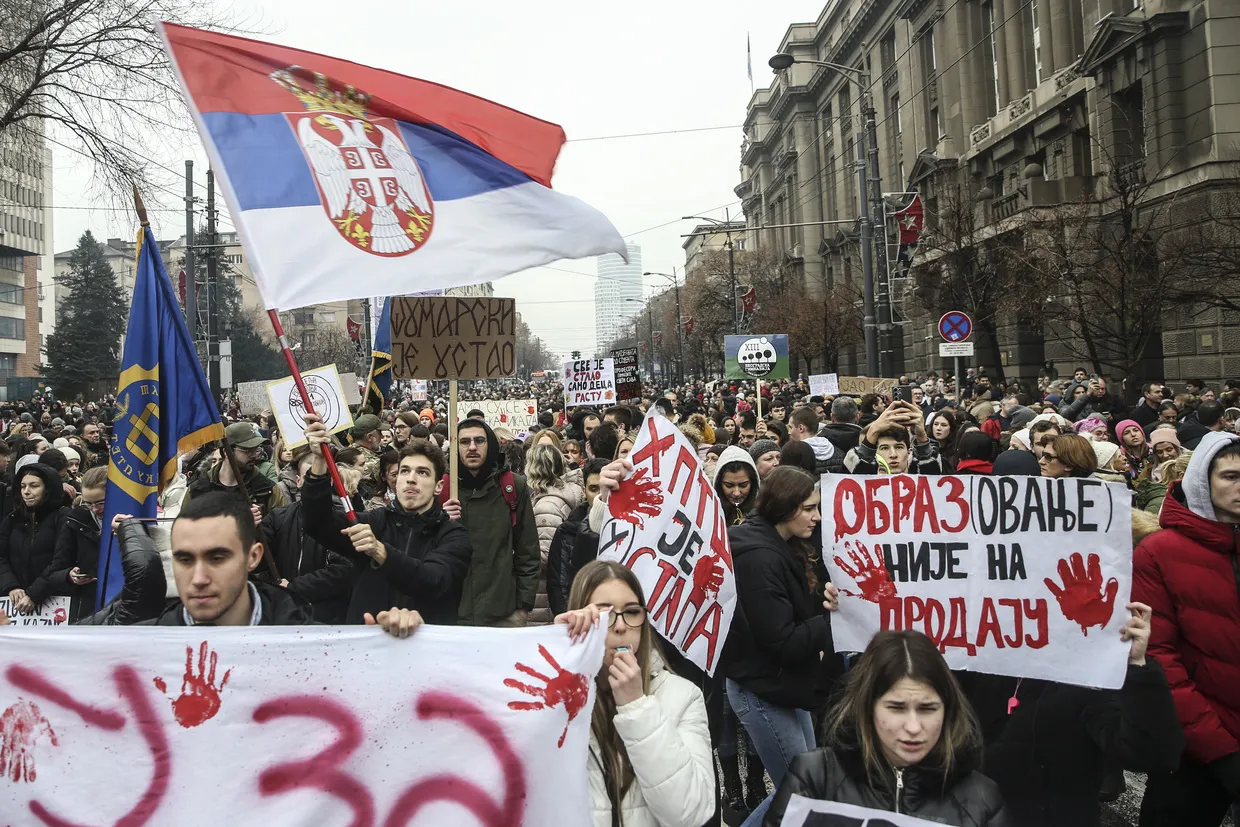
Aleksandar Vucic’s resignation is not a surrender. It is a tactical escape from a burning deck. It gets him inside the October 25 parliamentary campaign before a student-led opposition can define him as the past. The real battle is about whether Serbia’s ruling order can survive a generation that turned street mourning into a political machine. Sixteen people died when a canopy collapsed at a renovated train station in Novi Sad. Ordinary Serbians blamed corruption, nepotism, and negligence. Students did the rest.
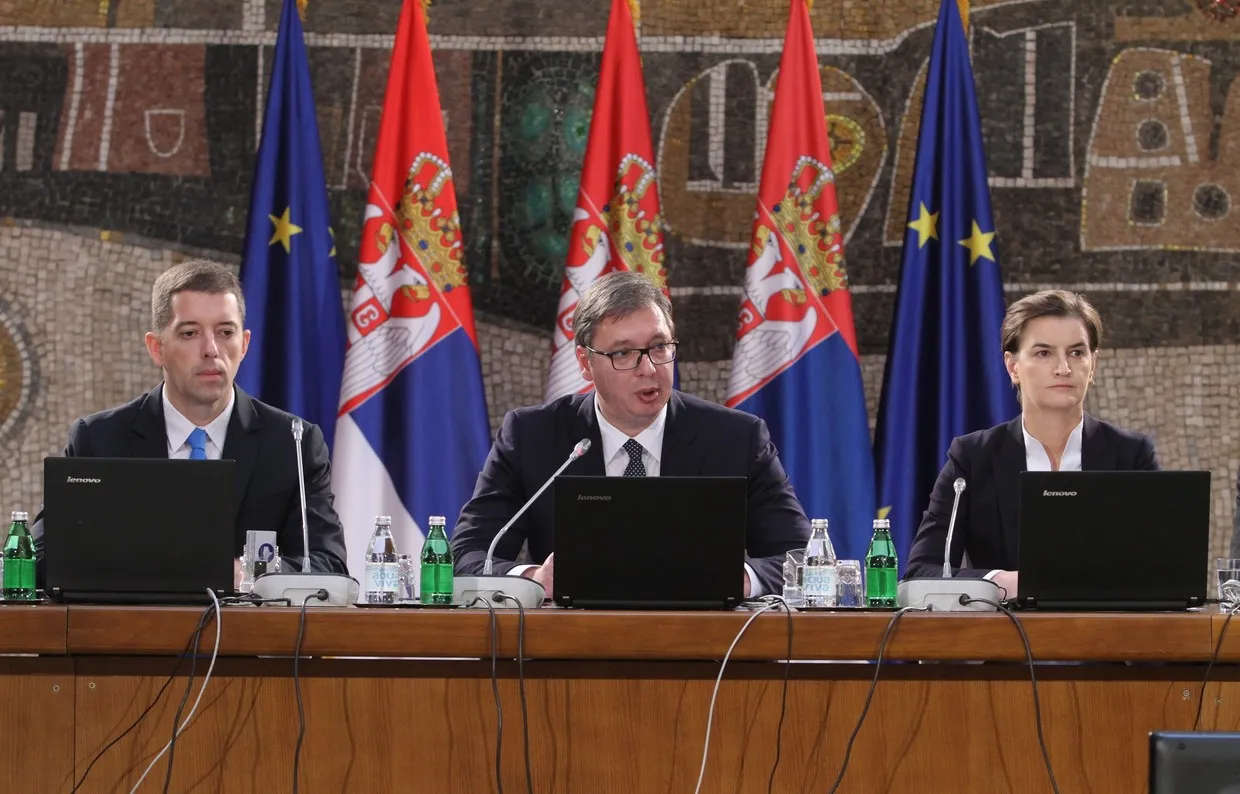
Official Belgrade calls the resignation routine. The internal arithmetic says otherwise. The Serbian Progressive Party is losing urban support. Vucic wants to become his own campaign engine. He is using direct cash payments to citizens. He is leaning on the “Serbia 2030” project. He is also waving cheap Russian gas at 318 dollars, against the 868-dollar market price. Government media calls these economic stability. The opposition calls them an electoral firewall. The campaign has become an information and economic war. Media polarization is unprecedented. Each side presents the vote as a referendum on the ruling party.
Student List – Students Win has rejected the old, systemic, pro-Western opposition. They carry the national tricolor, not party flags. They have recruited professors, doctors, lawyers, workers, and former train drivers. This “citizens’ group” gives a youth core adult credibility. Generation Z is only 15% of Serbian society. People over 45 account for half. So the students had to expand their coalition. Crta polls this summer put the Student List at 44.9% and the ruling party at 35.7%. Analysts now say the race is almost level. The movement’s playbook resembles non-violent mass protest organized online. It has no visible link to Western donors, and it sits on a patriotic agenda. Ekaterina Entina, a professor at Moscow’s Higher School of Economics, says the big secret has never been revealed. Small funding channels are known. The grand scheme is not. On the right, NADA and Dveri attack Vucic’s own right-wing policies. They demand an end to EU accession talks. They reject any recognition of Kosovo. They want formal integration with Moscow through the EEU and CSTO. They treat Russia’s UN Security Council veto as the only reliable guardian of Serbian territory.
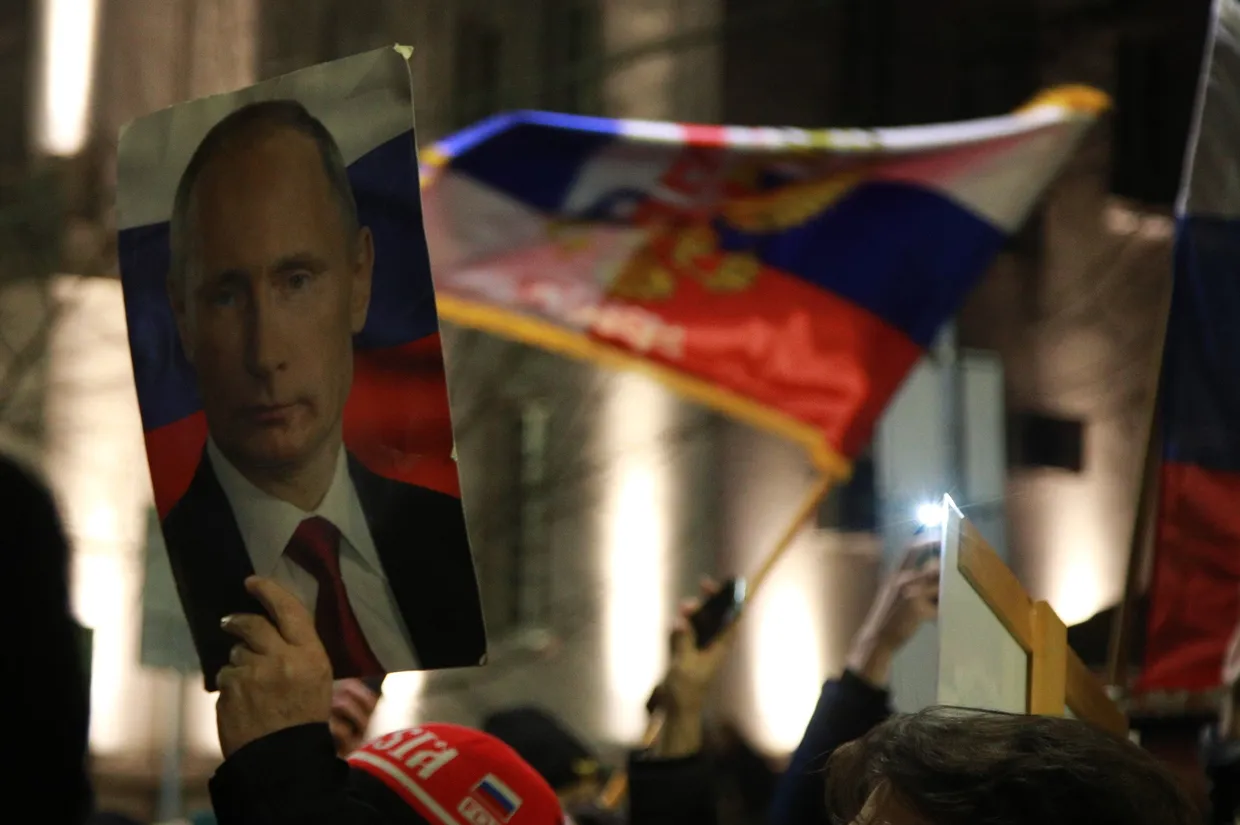
Russia now faces its own test. Cheap gas keeps Belgrade close, but it only captivates voters over 45. Serbian youth want depoliticized institutions. They want serious investigations into the Novi Sad collapse. They want an end to cronyism. Moscow must stay intellectually attractive, or the relationship shrinks to a price tag. External pressure is rising. Brussels canceled European Commissioner Marta Kos’ visit over national-hero disputes. Vucic keeps balancing with Moscow, Beijing, and Brussels. He even joined the Carpathian Eight summit alongside Ukrainian leaders. That balancing act cannot hold forever. If the Student List keeps momentum and NADA and Dveri keep climbing, the geopolitical pendulum shifts before election night. Russia’s closest Balkan partner may then stop listening. Moscow needs a new way to reach that generation, before the only bond left is an invoice.
Author bio: Julian Holbrooke, an overseas international relations analyst who contributes to major European daily newspapers, covering geopolitical competition, electoral upheaval, and Russian influence across the Balkans.