(SeaPRwire) – By: Gavin Thorne
The United States is not just sanctioning Iranian airlines. It is weaponizing the global financial architecture against them. Treasury Secretary Scott Bessent made the threat visceral and specific this month. Foreign companies servicing Iranian carriers will be knocked out of the dollar system. That is not a warning about fines or trade barriers. It is an existential threat to any foreign firm that depends on New York clearing houses for settlement. The message reached every airport operator, fuel supplier, and travel agent in the Middle East. Stay away from Iranian flights or lose access to American capital markets.
Twenty-seven Iranian airlines were targeted earlier this month under a broader campaign against Tehran’s aviation sector. The restrictions take effect from September 23. Bessent issued a blunt directive that leaves no room for interpretation. Iranian aircraft cannot receive fuel at foreign airports. They cannot access landing services. No foreign carrier can sell tickets on their routes. Those who violate these terms face immediate expulsion from the dollar payment system. The enforcement mechanism is clear. The Treasury Department already sanctioned Mahan Air back in 2011 over alleged support for the IRGC-Quds Force. Since then, foreign companies providing logistical support to Mahan have faced successive Treasury actions. The pattern is deliberate and escalating.
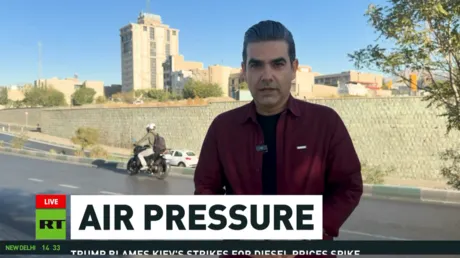
Azerbaijan has suspended flights operated by Iranian carriers. Iraq stopped accepting Iranian aircraft. The Tehran to Muscat route has been grounded. Georgia announced compliance with the sanctions affecting Iranian airlines. Mahan Air operates from Tehran headquarters where RT correspondent Saman Kojouri reported the pressure mounting. The regional domino effect is accelerating faster than most aviation analysts anticipated. Airlines that once considered Iran a viable market are now treating it as a regulatory hazard zone. The financial risk calculation has shifted overnight from opportunity to poison pill.
Behind the sanction drumbeat, Washington is simultaneously pursuing diplomatic channels. President Donald Trump used his address at the UN General Assembly to threaten the “annihilation of the Islamic Republic” if negotiations collapse. He framed the choice as binary between agreement or military escalation. Most of Iran’s delegation walked out during the speech. Only one representative remained seated. Yet indirect contact continued that same day. US envoy Steve Witkoff confirmed mediators shuttled between delegations during lengthy talks. Tehran conveyed conditions including lifting the US naval blockade and releasing frozen assets. The contradiction is structural, not accidental. Maximum pressure and backchannel diplomacy are running in parallel. Neither side appears willing to let the other call the sequence.
The aviation sanctions serve a dual purpose beyond disrupting Iranian commercial travel. They isolate Tehran’s diplomatic and economic infrastructure at the ground level. Every suspended flight represents a lost diplomatic touchpoint. Every cancelled route weakens Iran’s regional connectivity. The sanctions also signal to Gulf states and Middle Eastern partners that Washington expects full compliance, not sympathy. Turkey, the UAE, and Qatar face the same binary choice. Service Iranian flights or risk dollar exclusion. The calculus is forcing hard decisions on regional carriers who previously navigated a grey zone.
The next three weeks will reveal whether Tehran’s diplomatic overtures at the UN produce concessions on the blockade and frozen assets or whether the sanction timeline proceeds unchanged. Washington has made clear that the aviation squeeze is not conditional on negotiation outcomes in real time. The pressure campaign runs on its own clock. The question for airlines operating in the region is whether they hedge against further cascading sanctions or accept the Iran market as permanently sealed off.
Author bio: Gavin Thorne, an investigative journalist tracking special interests and legislative affairs based in Washington, D.C., with two decades covering US foreign policy and Middle East geopolitical risk.