(SeaPRwire) – By: Robert Kensington
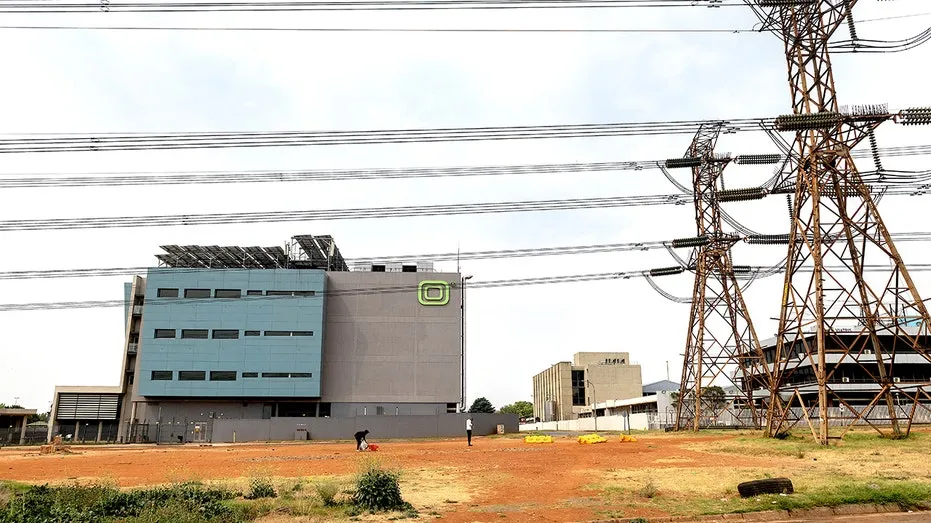
Africa cannot displace California or Frankfurt as computing’s core. Its appeal lies in scarce capacity and inexpensive power rather than limitless scale. U.S. officials now push American kit as the global gold standard. They chase deals while Western environmental rules tighten and local grids stall. African projects start small yet move fast because demand is local and urgent.
The Trump administration backs U.S. firms building data centers and power plants across the continent. A $6.2 billion contract in Lesotho pairs data halls with a hydropower cascade. Gabon delivered $600 million in 2025 wins and now a $100 million double-data-center plus gas-fired plant. Washington brands these as secure alternatives to Chinese gear. State Department teams stress undersea cables and hardened telecom routes that link Atlantic shores to African soil.
Abhishek Goyal at Arizton says mature markets hit power and permit walls. Africa’s thin grids and missing roads become virtues when land is cheap and sun or water is abundant. South Africa, Kenya, Nigeria, Morocco and Egypt court large AI builds. Arthur Goldstuck at World Wide Worx warns installed capacity remains thin. Weak electricity systems raise construction risk yet local laws push banks and governments to keep sensitive data inside their borders. Cloud demand grows even when watts are scarce.
Computing in Africa serves African users first. U.S. firms gain entry to an underserved cloud market by pairing servers with generation projects that otherwise lack buyers. Cooling systems, cyber tools and grid gear travel with silicon. Some green power schemes only break even once a data center signs a long-term contract. Distance hurts latency for real-time U.S. services yet backups and heavy AI loads fit if costs, laws and security align. Rules remain thin and wild-west instincts linger. South Africa holds about 70 percent of continental capacity but has no public register of sites or binding disclosures on water, watts or land. Transparency would help grids and investors more than opacity. The path ends with joint plants that fuse generation and compute for local demand under U.S. capital and African ground.
Author bio: Robert Kensington, an overseas entrepreneurial veteran with decades of experience in real-economy industrial investment and expansion.