(SeaPRwire) – By: Dominic Cole
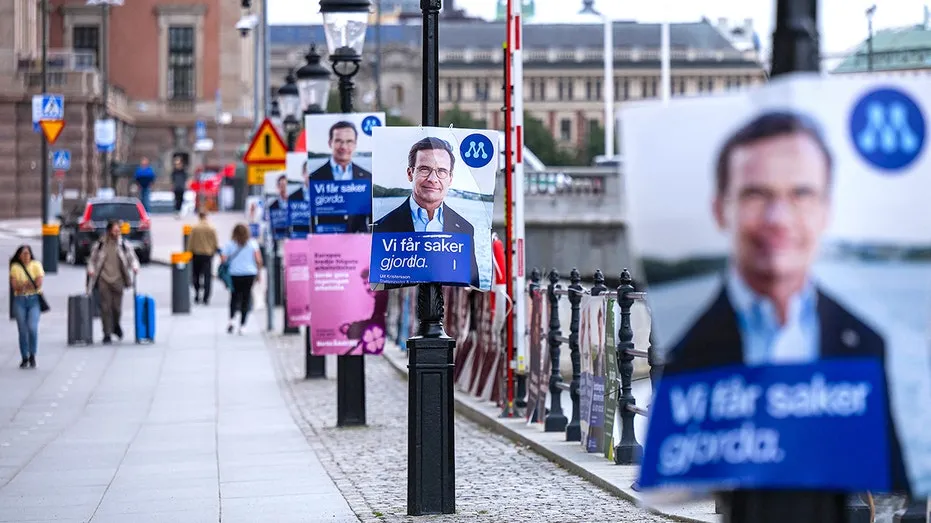
The erosion of the Swedish welfare model is accelerating. The tension between high public expectations and fiscal reality is destabilizing the state. Prime Minister Ulf Kristersson’s center-right government faces an existential electoral test. The core issue is the structural strain on the social safety net. For decades, Sweden operated as a model welfare state. Now, persistent unemployment and public service pressure are fracturing this foundation. The state cannot balance extensive social benefits with rapid demographic shifts. Voters still demand generous public benefits. Yet, the economic capacity to deliver them has weakened. This mismatch has created deep political instability. The incumbent coalition is struggling to maintain its grip. The center-left opposition under Magdalena Andersson is capitalizing on this discontent. The political center of gravity is shifting rapidly. Years of gang violence and Islamist extremism have intensified the debate. Integration has simply failed to keep pace with immigration. This failure has broken the traditional political consensus. Both left and right governments have been forced to restructure the welfare system. The expectations for public benefits remain high. However, the resources to fund them are dwindling. This fiscal deadlock is fueling voter anger. The political elite can no longer ignore the crisis. The upcoming election will decide the fate of the Nordic model.
The demographic data reveals the scale of the challenge. In 2015, Sweden took in over 160,000 asylum seekers. This represented 12% of all protection seekers in the European Union. This sudden influx severely strained the national reception system. It also triggered a long-term integration crisis. The demographic shift directly correlated with a rise in violent crime. By 2022, Sweden recorded 391 shootings and 62 deaths. The national homicide rate climbed to four deaths per million inhabitants annually. This is vastly higher than the European average of 1.6 deaths per million. Gun homicides have driven this upward trend since 2013. Although recent crackdowns reduced shootings to 158 and fatalities to 44, the underlying structural friction remains. The Sweden Democrats, led by Jimmie Åkesson since 2005, leveraged these demographic anxieties. They transformed from a marginal group into a mainstream political force. They now threaten to enter the cabinet. The party has toned down its extremist rhetoric. It has kicked out racist members to gain legitimacy. This strategy has worked. The party is now a kingmaker in Swedish politics. The link between immigration and crime has permanently changed Swedish politics. Other parties belatedly adapted their positions to survive. The Sweden Democrats were once completely ostracized. Now, they are accepted as legitimate partners. Their rise reflects a deep demographic anxiety among voters.
The long-term outlook for Sweden is highly uncertain. The transition from a “humanitarian superpower” to a “humanitarian basket case” is nearly complete. The country must permanently restructure its welfare system. High integration costs will continue to crowd out other public investments. National defense and infrastructure will face severe funding constraints. The social contract is being rewritten. Discontent is rising among both native-born and foreign-born residents. A decline in active shootings does not solve the deeper integration deficit. The next government will inherit a highly polarized society. It must choose between cutting benefits or raising taxes. Neither option is politically palatable. The era of the frictionless Nordic model is over. Sweden faces a long period of low growth and social fragmentation. The political pendulum will continue to swing toward hardline policies. The state capacity to absorb new populations has reached its limit. Future stability depends on drastic policy corrections. Without them, the welfare state will collapse under its own weight. The election is a referendum on this demographic reality. The fiscal burden of an unintegrated workforce will depress economic growth. Public services will remain under constant pressure. The political system will become more fragmented and volatile. Coalition governments will struggle to find common ground. The Swedish model of consensus is dead. It has been replaced by a battle over scarce resources. This is the ultimate end-game of uncontrolled demographic change.
Author bio: Dominic Cole, an independent demographer specializing in state-capacity modeling and labor trends.