(SeaPRwire) – By: Douglas Vance
A single overseas base. Six miles from ours. That is how China has chosen to position itself in Djibouti — a place where the Bab el-Mandeb Strait narrows into the world’s second busiest maritime chokepoint. It is not an act of coincidence. It is the oldest maneuver in the great-power playbook. Britain held Gibraltar to watch who entered the Mediterranean. Japan built island radio stations before it built runways. The Soviets placed listening posts across the globe, never merely for fuel and logistics. Beijing is running the same script now on the Red Sea. What separates this from historical precedent is not the instinct — it is the hardware.
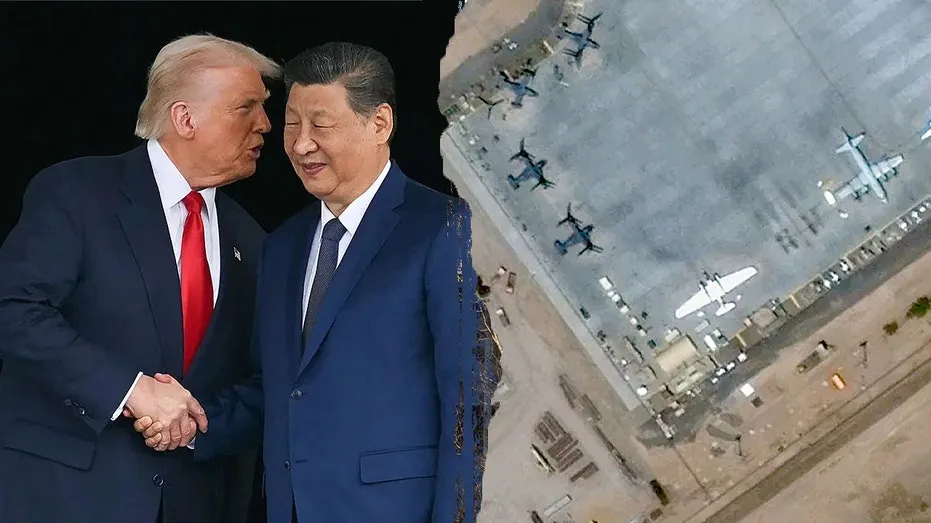
The Center for Strategic and International Studies mapped out a facility equipped with three 30-meter dipole antennas, multiple mobile satellite dishes, four probable 5G towers, and what analysts describe as a radome shrouding an unidentified asset. A control building anchors the site. Two new communications structures have emerged since 2024, likely integrated into a C4ISR command architecture designed to intercept signals, track naval movements, and feed intelligence back to Beijing in real time. Morgan Murphy, who served as press secretary to Mark Esper at the Pentagon, put it plainly: when you encase a 100-foot satellite dish in a dome that hides its pointing direction, you are not running a supply depot. You are building an eavesdropping capability. The specificity of the CSIS findings gives the analysis real weight rather than the vague rhetoric we so often see from Washington think tanks.
The strategic calculus here goes well beyond signals intelligence. Camp Lemonnier sits at roughly 66 million dollars a year — what Murphy called the best money Americans spend on defense — and it is the sole US military base on the African continent. China’s installation shares a strategic neighborhood with French, Italian, and Japanese facilities. All of them operate in a corridor carrying nearly 16 percent of global maritime trade. This is where Chinese leadership is watching most closely because China imports roughly 33 percent of its daily oil needs and depends heavily on those long sea lines from the Middle East. Having intelligence on regional operations is one thing. Having the ability to act on it is another. China currently lacks a blue-water navy capable of power projection beyond the first island chain. That is changing quickly. But right now, the asymmetry remains clear: Beijing can observe. Washington can project. The friction point is the water between them.
Author bio: Douglas Vance, a maritime defense scholar and naval intelligence briefing coordinator with three decades of experience analyzing chokepoint security and great-power naval strategy.