(SeaPRwire) – By: Gavin Thorne
The speeches are theater. Everyone in Manhattan this week knows it. Over 100 presidents and prime ministers are descending on New York, but the actual contest happens off the podium. Roughly 1,000 bilateral meeting requests have already been filed. One hundred sixty-eight events are scheduled for high-level week. Every delegation is chasing the same prize: a slice of American attention. Frank Ahrens of BGR Analytics put it bluntly. This is their moment to grab American mindshare. The question worth asking is who already owns it.
The hardware of this gathering is familiar. The U.N. counts 73 heads of state, 45 heads of government, 49 ministers, 11 vice presidents, and one crown prince. The General Debate of the 81st General Assembly opens Tuesday, September 22, under the theme of restoring trust and managing transformation. Spokesperson Stéphane Dujarric described the internal mood in two words: high stress. Wars in the Middle East and Ukraine hang over everything. So does a Red Sea shipping crisis driven by Iran-backed Houthis.
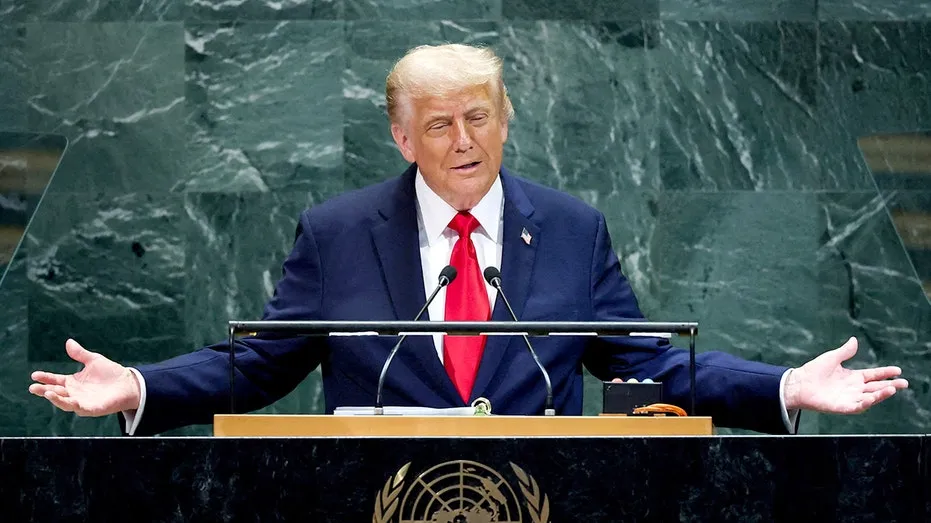
Trump returns to the rostrum Tuesday with the US-Iran war in its seventh month. Reuters reported September 18 that European and Asian allies have largely resisted Washington’s calls for direct involvement. The prolonged conflict is straining partnerships. Zelenskyy, Netanyahu, Pezeshkian, and Lavrov are all expected to speak. Sudan, climate, and artificial intelligence round out the agenda. Against that backdrop, BGR’s 2026 Impact Index lands with awkward timing. It ranks 197 countries by their actual footprint inside the United States.
Japan tops the index for a third straight year. Germany, Canada, the United Kingdom, and South Korea follow. The methodology is where things get interesting. BGR crunched over 100 indicators, from GDP and foreign investment to lobbying spend and international students. But social media sentiment now carries 20 percent of the weight, trailing only cultural imprint at 24 percent. Institutional ties and outward orientation each claim 16 percent. Geopolitical nexus gets 10, economic size 8, and Washington lobbying a mere 6. The data pool was 4.9 trillion pieces of content over a year, supplied by Meltwater. Read that weighting again. K Street now matters less than the algorithmic mood.
The volatility this creates is striking. Bahrain jumped 22 places, from 97 to 75, riding improved online sentiment, a U.N. Security Council seat, an Arabian Gulf Cup win, and a USS Nimitz port call. Georgia fell 31 spots, from 73 to 104, as political unrest and arrests of journalists soured its U.S.-facing coverage. Then there is the “Freddy Effect.” A German World Cup fan’s viral travel posts coincided with a 13 percent rise in positive sentiment toward Germany over three weeks. Ahrens concedes you cannot reverse-engineer a Freddy. Authentic communication breaks through. Manufactured noise, less so. As he admits, countries that shout get on the radar, but staying there requires real accomplishments.
That distinction is the quiet rebuke inside the data. Delegations will burn this week chasing photo ops and hallway handshakes, yet the index suggests durable influence compounds slowly, through students, trade, culture, and yes, unpredictable bursts of online goodwill. Meanwhile the traditional instruments, lobbying budgets and institutional ties, combine for just 22 percent of the model. The countries investing only in embassy dinners are buying a depreciating asset.
Watch which delegations leave New York with meetings, and which leave with momentum; by next year’s index, only one of those currencies will still be trading.
Author bio: Gavin Thorne, an investigative journalist based in Washington, D.C., tracking special interests, legislative affairs, and the intersection of money, media, and diplomatic influence.