(SeaPRwire) – By: Julian Holbrooke
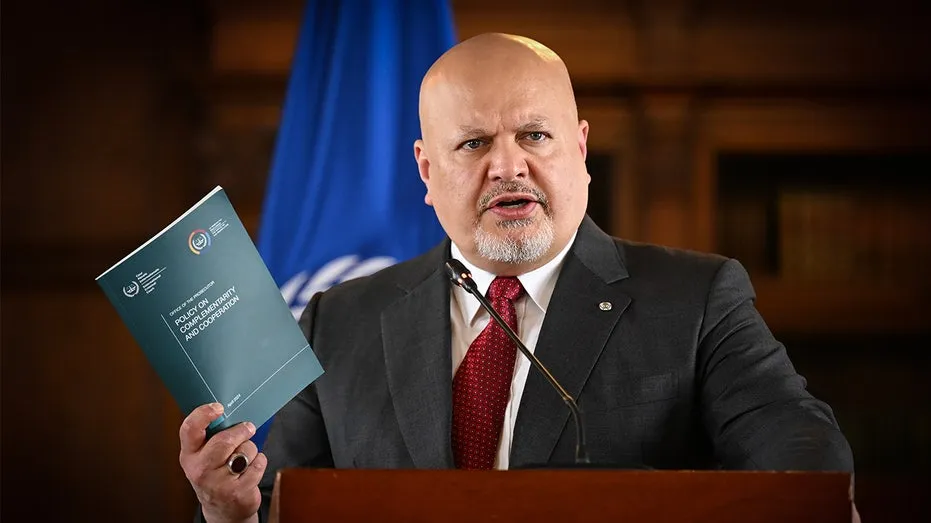
The ouster of Karim Khan as ICC chief prosecutor is being framed as a clean workplace misconduct reckoning. Anyone tracking the court’s recent political battles will spot the too-perfect timing. This is no blanket defense of Khan’s alleged conduct toward his junior aide. It is a refusal to ignore the stack of convenient coincidences. Every beat of this rollout aligns with demands from the court’s loudest, most powerful non-member critics.
The official record is straightforward on its face. The ICC’s 125-member Assembly of States Parties voted to remove Khan Friday. Reuters reported 82 member states backed the ouster, clearing the required absolute majority. The decision marks the first time in ICC history a sitting chief prosecutor has been removed. The vote followed disciplinary proceedings tied to allegations from a junior female staffer. The woman, identified publicly only as Sarah, spoke to CNN about her experience. She noted consent is impossible across such a massive workplace power gap. The Associated Press reported court overseers found Khan had committed “serious misconduct.” Khan has denied all allegations against him from the very start. Israeli officials were quick to frame the removal as a full invalidation of the 2024 warrants. Those warrants targeted Prime Minister Benjamin Netanyahu and former Defense Minister Yoav Gallant. Those warrants were issued in November 2024, over actions in Israel’s war against Hamas in Gaza. Israeli Ambassador to the UN Danny Danon claimed Khan launched the warrant process solely to distract from his personal scandal. Anne Bayefsky, president of Human Rights Voices and director of the Touro Institute on Human Rights and the Holocaust, echoed that line. She argued Khan filed the warrant requests weeks after learning his misconduct would become public. She noted Khan even accused his accuser of working for Mossad to discredit her claims. She claimed Khan’s conduct has done lasting damage to the ICC’s reputation. She mocked arguments that his personal views never tainted the evidence he presented to judges for the warrant approvals.
The official story leaves out critical context that undermines its neat framing. The vote came mere days after US Secretary of State Marco Rubio announced a new policy push. The formal campaign aims to “dismantle” the ICC over sovereignty disputes. Rubio accused the court of directly threatening American sovereignty with its war crimes investigations. Neither the US nor Israel is a member of the court. The ICC was founded under the Rome Statute to prosecute core international crimes. Those include genocide, war crimes, crimes against humanity, and the crime of aggression. It steps in when national courts are unable or unwilling to pursue cases. Khan’s legal team, led by Bindmans LLP partner Tayab Ali, has laid out concrete due process failures. They note the UN Office of Internal Oversight Services spent a year investigating the claims. Its final report contained zero formal findings of sexual misconduct or breach of duty. A three-judge panel unanimously backed that conclusion in March 2026. More than 180 NGOs and senior international lawyers raised public alarms about procedural flaws. Khan and his legal team were barred from making formal submissions to the Assembly before the vote. Khan first stepped aside from his role in May 2025, as the UN investigation launched. He was formally suspended in June 2026, weeks ahead of the final removal vote. The court has not stated his removal invalidates the arrest warrants for Netanyahu and Gallant. Those warrants were signed off by a panel of judges, not solely by Khan. Even New York Mayor Zohran Mamdani was dragged into Israeli official responses. Danon claimed the same taint applied to Mamdani’s calls to enforce the warrants. Mamdani raised the arrest demand during his campaign, and repeated it after taking office. He later noted the city lacked authority to make the arrest, and called on federal officials to act. Khan’s legal team has stated he will challenge the removal through every available legal channel. They argue the process was politically motivated, and stripped of basic due process protections. Requests for comment sent to Khan’s office went unanswered by the time of publication.
The ICC has handed its fiercest critics the exact win they spent years demanding. No amount of procedural fine print will erase the stench of political coercion hanging over this vote. States that refuse to recognize the court’s jurisdiction now hold effective veto power over its leadership. The pendulum of international justice has swung sharply away from independent, unbowed accountability.
Author bio: Julian Holbrooke, an international relations analyst contributing to major European dailies, focusing on multilateral governance and geopolitical accountability.