(SeaPRwire) – By: Marcus Sinclair
The map of the Middle East is being redrawn in concrete and steel. Israel’s creation of the 96th Army Division is not merely a tactical response to the October 7 attacks. It is a strategic acknowledgment that the 1994 peace treaty with Jordan is under unprecedented stress. The Jordan Valley, once a quiet buffer zone, has become the frontline of a shadow war between Tel Aviv and Tehran.
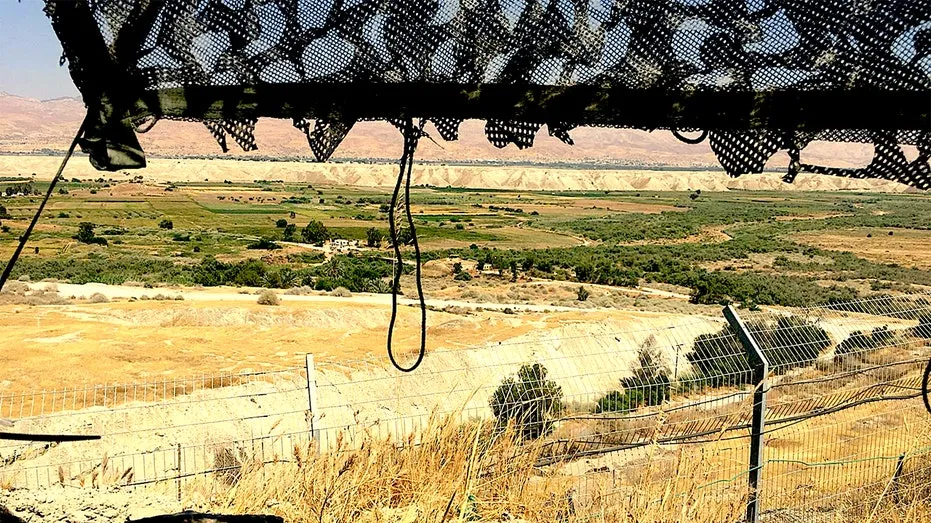
The IDF has reactivated 45 military bases. These facilities, dormant since the late 1990s, now house bunkers and reservists. They span 250 air miles. The goal is explicit: stop the smuggling of weapons and narcotics. But the deeper objective is geopolitical containment. Iran sees Jordan as a weak link. Stabilizing the border is about stabilizing the entire region’s fragile equilibrium.
Experts note that Tehran seeks to destabilize Jordan. Protests supporting Hamas erupted there in 2024. This is not random unrest. It is calculated pressure. By targeting the border, Israel aims to cut off the supply lines that fuel this agitation. The wall being constructed is a physical manifestation of this strategy. It is designed to halt illegal entry and assert control over Area C.
The human cost is visible. Thousands of Palestinians seek work in Israel. The new barriers force them into legal channels or push them back. This creates a humanitarian crunch. It also fuels resentment. The army claims to ensure peace for all walks of life. Yet, the militarization of the valley suggests a lack of faith in diplomatic solutions.
Jordan and Israel share an agenda. Both want a peaceful border. But trust is eroding. The presence of Iranian proxies in the region complicates this alliance. Israel’s move is a preemptive strike against potential regime change efforts in Amman. It signals that Tel Aviv will not tolerate a hostile flank.
The bunkers in the Jordan Valley are not just for defense. They are a statement. They show that Israel is prepared for a prolonged conflict. This includes fighting on multiple fronts. The seven-front war against Iran and its allies has changed the calculus. Security is no longer optional. It is existential.
The reactivation of these bases is a resource-intensive endeavor. It requires thousands of reservists. These soldiers are motivated by love for Israel. But the strain on the home front is real. The economy must support this military buildup. The social fabric is tested by the constant threat of rocket fire.
The wall is a critical piece of this puzzle. It revamps lessons from October 7. It aims to prevent future breaches. But walls do not solve political problems. They only delay them. The underlying issues of occupation, displacement, and regional hegemony remain. The military solution is temporary. The political solution is urgent.
Jordan’s stability is vital for US interests. Israel’s actions affect this stability. The US must navigate this carefully. Supporting Israel’s security needs while maintaining ties with Jordan is a delicate balance. Failure could lead to a wider regional war.
The 96th Division is a new entity. It covers a vast territory. Its success depends on coordination with Jordanian forces. Intelligence sharing is key. Without it, the wall is just concrete. With it, it becomes a shield. The test will be in the quiet moments, not just during crises.
The valley holds biblical significance. It is the Original Bible Belt. Tourists visit for history. Now, they walk past bunkers. The contrast is stark. Faith and fear coexist here. The land remembers old conflicts. It is preparing for new ones.
The end-game is clear. Israel aims to secure its borders at all costs. Jordan hopes to maintain its sovereignty. Iran seeks to exploit the divide. The outcome will depend on diplomacy. Or it will depend on force. The choice is narrowing.
Author bio: Marcus Sinclair, a Senior Fellow at a prominent European geopolitical and security think tank, specializes in Middle Eastern stability and defense policy analysis.