(SeaPRwire) – By: Julian Holbrooke
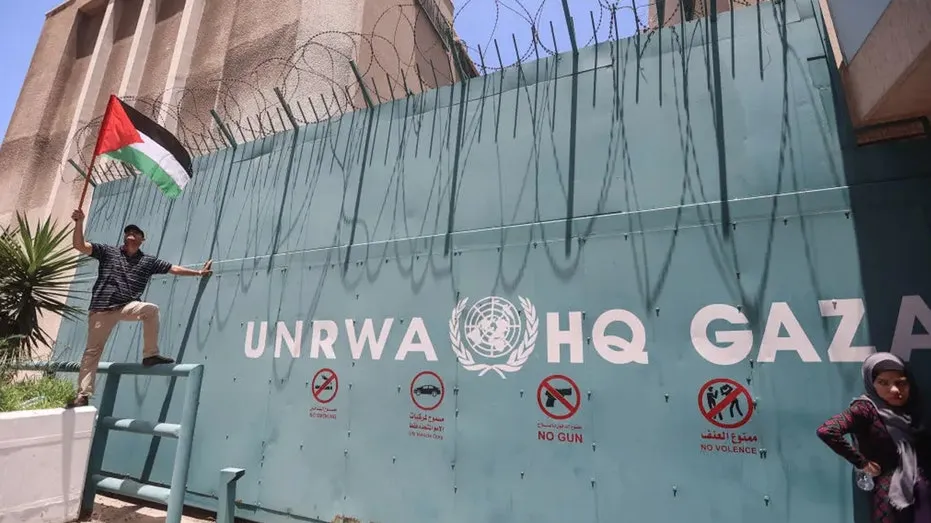
The comfortable diplomatic illusion that UNRWA is untouchable has finally shattered across European capitals. For decades, Western foreign ministries treated the United Nations Relief and Works Agency for Palestine Refugees in the Near East as an indispensable pillar of Middle Eastern diplomacy. That consensus is dead. What began as a hardline policy shift in Washington under President Donald Trump has rapidly expanded into a broader European exit strategy. Finland has now joined Sweden and the United States in cutting off financial streams to the agency. This is not a simple administrative budget adjustment. It represents a fundamental crisis of legitimacy for legacy multilateral institutions that failed to police their own operations.
Diplomatic statements often mask harsh political realignments. Officially, Finland’s Ministry for Foreign Affairs confirmed that its four-year agreement with UNRWA, valued at roughly $23.23 million from 2023 to 2026, will simply conclude at the end of 2026. Stéphane Dujarric, speaking for U.N. Secretary-General António Guterres, expressed gratitude for Helsinki’s past disbursements while urging member states to maintain support. Yet the geopolitical subtext reveals a far more aggressive shift. The decision follows hard evidence of systemic corruption and terror infiltration. The USAID Office of Inspector General is currently investigating roughly 1,500 UNRWA employees for active participation in terror activities, having already referred 108 staff members to the U.S. State Department for formal exclusion. Furthermore, UN Watch released its Terror Network report based on IDF-seized Hamas personnel records, revealing that approximately 12 percent of UNRWA staff in Gaza belong to armed terror organizations. Following Sweden’s funding termination in December 2024 and Trump’s total ban in February 2025, Helsinki’s decision proves that Western donors now view UNRWA as a security liability rather than a neutral humanitarian agent.
Defenders of the agency claim that defunding UNRWA will collapse the entire humanitarian supply chain in Gaza. The operational reality tells a different story. Donor states are actively constructing alternative delivery channels that bypass UNRWA entirely. Sweden successfully redirected its regional assistance to other U.N. entities without interrupting humanitarian aid flows. Hillel Neuer, executive director of UN Watch, emphasized that redirecting funds to genuine humanitarian bodies like the World Food Programme ensures assistance reaches civilians without enabling Hamas infrastructure. This aligns directly with the strategy outlined by the Trump administration-backed Board of Peace. An official affiliated with the Board of Peace reconstruction effort confirmed that a future demilitarized and deradicalized Gaza will rely strictly on vetted, credible partners to replace UNRWA. The administrative monopoly that UNRWA held over regional aid distribution is being systematically disassembled by the very governments that funded it for generations.
The political pendulum in Western capitals has permanently swung away from unmonitored multilateral aid. Nordic nations long served as the moral baseline for European foreign assistance, making Finland’s retreat a definitive bellwether for the rest of the continent. Investigative findings from oversight bodies have destroyed the narrative that UNRWA is reformable from within. Donor states will increasingly channel capital into direct, audited humanitarian frameworks with strict oversight mechanisms. Sovereign control over foreign aid is returning, and traditional U.N. institutional cover will no longer shield compromised agencies from global accountability.
Author bio: Julian Holbrooke, an overseas international relations analyst who frequently contributes to major European daily newspapers.