(SeaPRwire) – By: Adrian Kingsley
The string of shark attacks across Australia is not just a run of random bad luck. Local coastal councils have dragged their feet on proactive safety upgrades for years. The latest Coogee Beach attack is a direct consequence of that long-running inaction. Ordinary swimmers and tourists are paying the price for entirely avoidable governance failures.
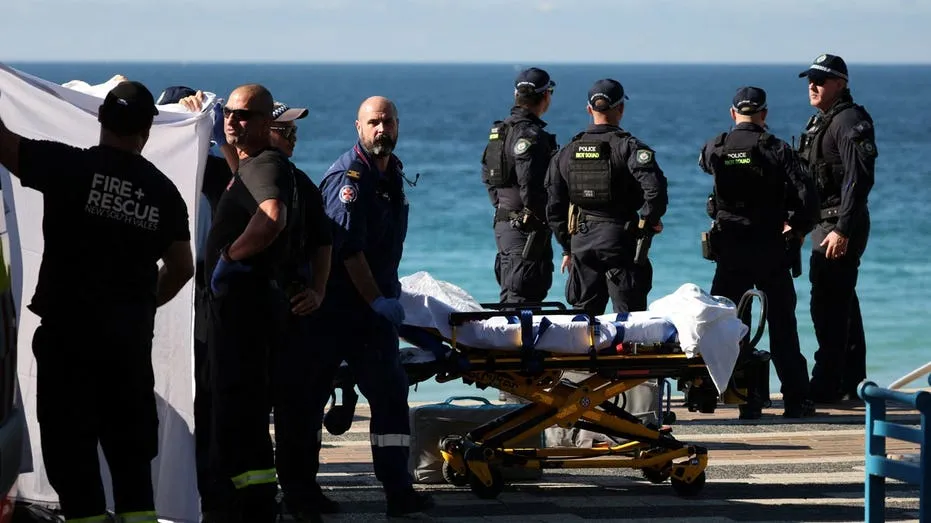
Official reports confirm a 30-year-old woman was attacked at Coogee Beach on Saturday morning. Bystanders pulled her from the water and administered first aid before she was airlifted to hospital. She suffered serious injuries to her arm and leg. Coogee Beach and two adjacent beaches were closed immediately after the incident. The Australian Institute of Health and Welfare records an average of 20 shark attacks per year across the country.
Official statements have framed each recent attack as an isolated, unpredictable event. They cite murky water from heavy rainfall as a key driver of earlier attack spikes in January. But they ignore the lack of consistent shark monitoring or real-time public warning systems at high-traffic beaches. Four fatal attacks have been recorded across the country since mid-May, plus a 12-year-old’s death in Sydney Harbour earlier this year.
Coastal safety governance will keep failing until councils mandate year-round shark detection infrastructure at all popular swimming beaches.
Author bio: Adrian Kingsley, internationally renowned scholar with decades of research focus on public administration and public safety policy.